6 hr 30 min
Bribri Village Chocolate Workshop & Waterfall Experience
Journey deep into the Talamanca mountains to learn ancestral cacao traditions with an indigenous family
Reserve
Hand-picked by our editors — only the best 5 experiences from 17 reviewed.
Verified partners for every tour, free cancellation where available, and instant confirmation on every booking.
6 hr 30 min
Journey deep into the Talamanca mountains to learn ancestral cacao traditions with an indigenous family
Reserve
2 hr 30 min
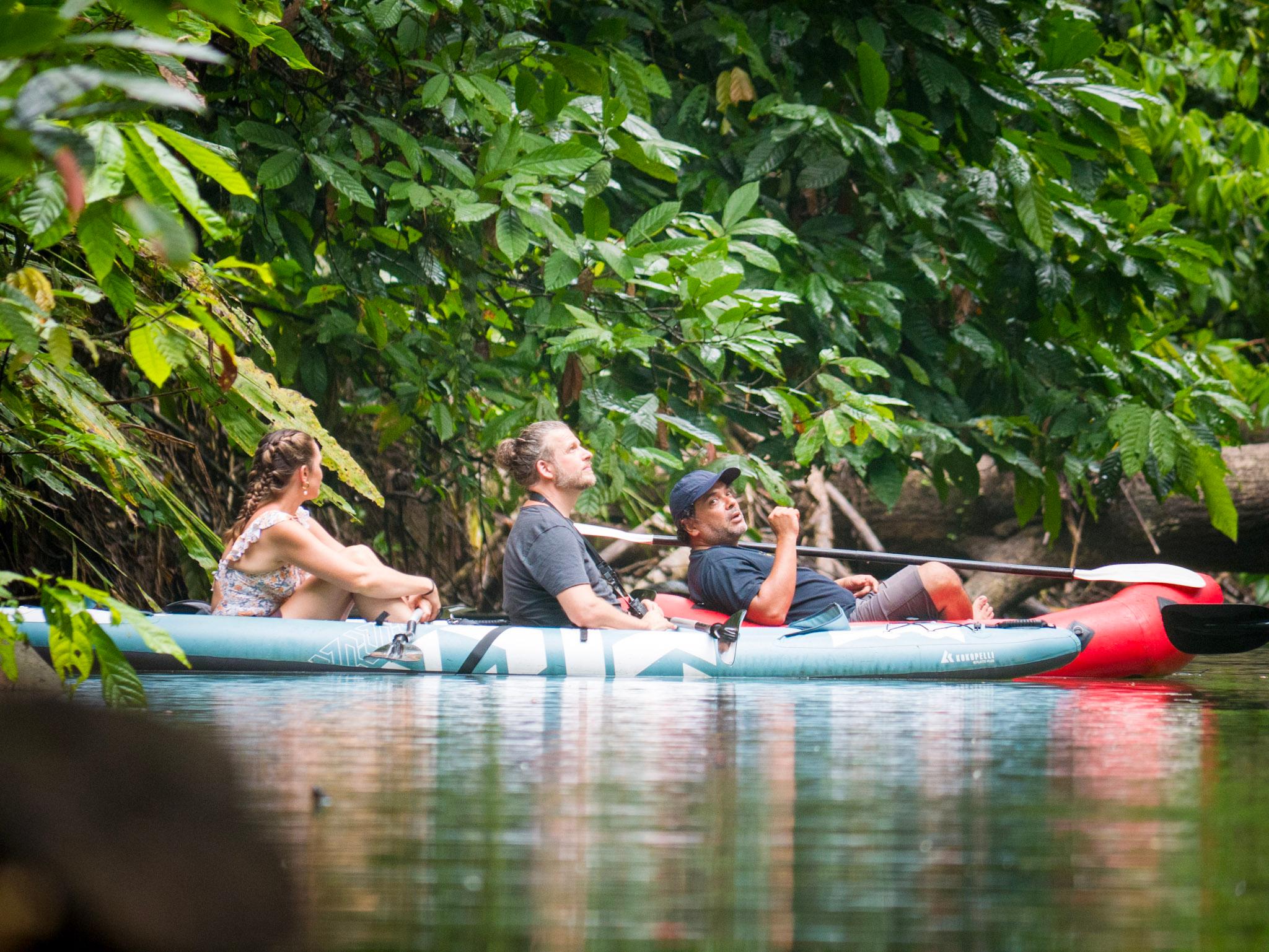
Paddle through Caribbean jungle waterways in search of sloths, tropical birds, and rare wildlife
Reserve
2 hr
Walk a coastal jungle trail with expert naturalists to find sloths, capuchins, and tropical birds
ReservePrices from verified partners. Availability updates in real time at checkout. Free cancellation policies apply where shown.
The landmarks, rooms, and views travelers on this tour remember — all visible on a single visit.
This primary waterfall, also known as the sparkling waterfall, features a refreshing natural swimming pool. It serves as a central spiritual site for the local community.
This secondary cascade is located within the lush Talamanca rainforest and offers a serene setting for relaxation. It is a vital landmark within the indigenous territory.
Often quieter than other falls, this site provides a more secluded experience for nature lovers. It is surrounded by primary rainforest and indigenous medicinal plants.
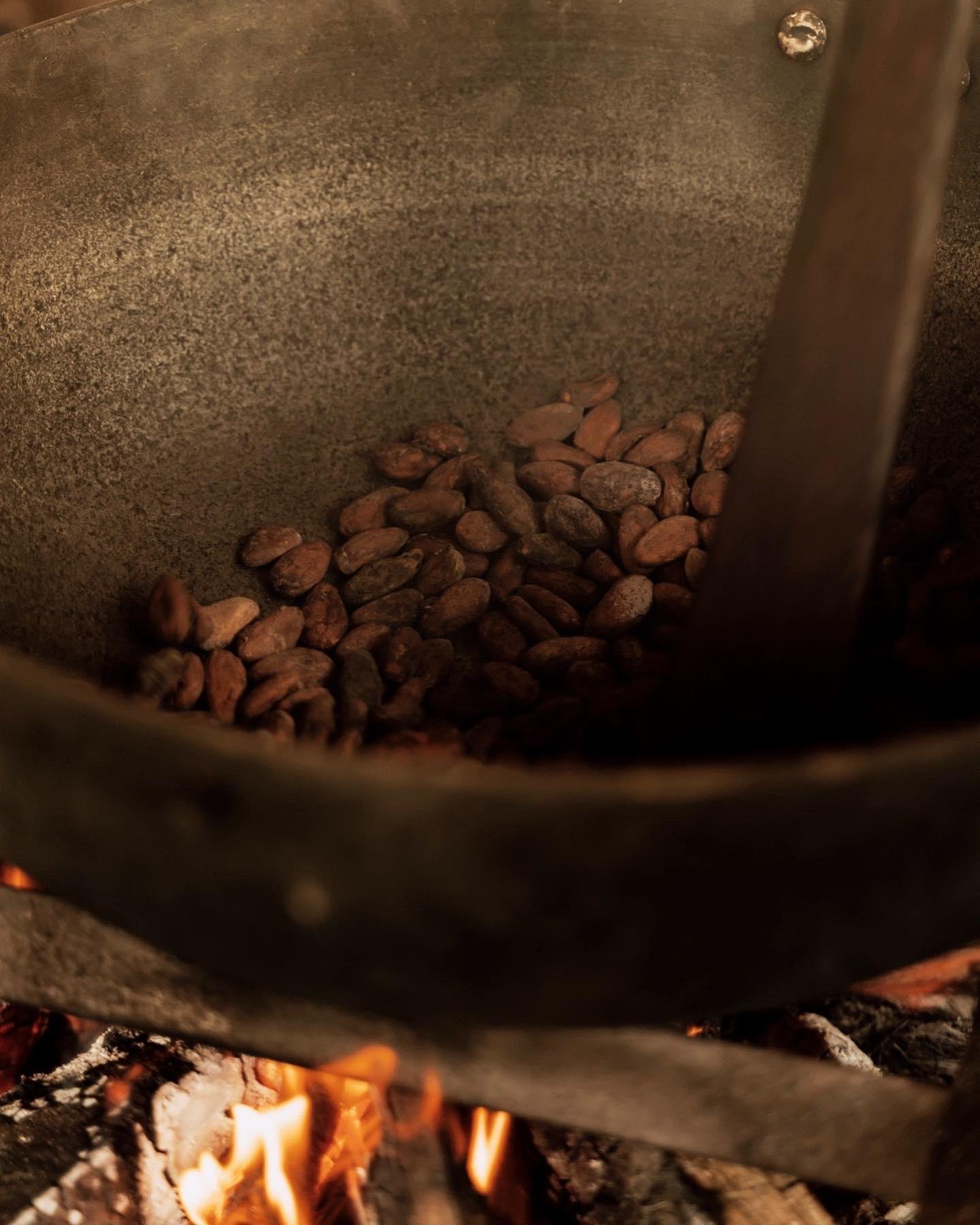
Participants learn the ancestral Bribri process of harvesting, roasting, and grinding cacao beans. This hands-on activity highlights the cultural importance of chocolate in the region.
Guided walks reveal how the Bribri people utilize local flora for traditional health and wellness. This garden demonstrates their deep connection to the forest landscape.
The Bribri chocolate and waterfall tour provides a focused immersion into indigenous heritage and river swimming, whereas the Gandoca-Manzanillo trek prioritizes diverse coastal ecosystems and broader biodiversity encounters. Travelers seeking an authentic cultural connection prefer the Bribri chocolate and waterfall tour tours for their direct engagement with local traditions.
| Feature | Top pick Bribri Waterfall Experience | Gandoca-Manzanillo Trek |
|---|---|---|
Primary Focus |
Indigenous culture and waterfall | Wildlife observation and forest trekking |
Terrain Complexity |
Moderate forest trails and riverbeds | Coastal paths and varied topography |
Wildlife Density |
Low to moderate | High wildlife concentration |
Cultural Depth |
High interaction with local families | Limited contact with indigenous communities |
Physical Intensity |
Moderate hiking and swimming | Moderate to high endurance trekking |
| See tickets → |
Verdict: Choose the Bribri chocolate and waterfall tour tickets if you prioritize deep cultural exchange and natural swimming spots over the varied marine and forest wildlife found on the Gandoca-Manzanillo circuit.
Choose your ticket, select your date, and reserve in under two minutes. Secure checkout handled by our verified partner.
Instant confirmation by email, with a mobile voucher you can save offline. No printing, no queuing at a collection desk.
Arrive at the entrance, show your voucher on your phone, and walk in. Most tickets include priority or skip-the-line access.
Practical details for your visit straight from our verified partners — hours, access, rules, and how to get there.
Wear comfortable moisture-wicking clothing, long-sleeved shirts for sun and bug protection, and sturdy water shoes that secure firmly to your feet for muddy trails.
Keep all personal belongings in a waterproof backpack. Valuables should remain in secure hotel storage, as trail conditions can be unpredictable.
Always request permission from indigenous community members before taking photos. Respect the cultural sanctity of ritual spaces and private family homes within the Bribri chocolate and waterfall tour site.
The terrain is not wheelchair accessible. Visitors should be prepared for steep, hand-carved mud steps and unpaved, uneven forest trails.
This experience is suitable for families with children who are comfortable with light to moderate hiking. It is an educational way for youth to learn about Bribri traditions and cacao production.
Carry a reusable water bottle to stay hydrated during your hike. Traditional lunches are often included in a booked bribri chocolate and waterfall tour package, featuring local Caribbean ingredients.
Best time to go, insider tips, nearby landmarks, and the cancellation fine print — flip through to skim what matters to you.
Flexible, no hidden fees.
Full refunds are typically available if you cancel within the operator's specified notice window. The entrance fee of 2,500 CRC is required for waterfall access and is non-refundable if bundled into a pre-paid package.
The Bribri people have cultivated cacao in the Talamanca mountains for more than two thousand years, grinding seeds on volcanic stones and fermenting pods in banana leaves long before colonial contact. Their territory stretches across the foothills between Puerto Viejo and the Panamanian border, one of eight indigenous reserves in Costa Rica where traditional governance and land stewardship remain protected by law. The word "cacao" itself comes from the Bribri language, a matrilineal society in which only women are permitted to prepare ceremonial chocolate, a drink once reserved for spiritual rites and offerings to Sibö, the creator deity. Today, a Bribri chocolate and waterfall tour brings visitors into working villages where cacao is still harvested by hand, roasted over wood fires, and ground using methods passed down through oral tradition. The tour typically begins in the lowland groves, where guides — many of them fluent in Bribri, Spanish, and English — crack open ripe pods to reveal the pale, sweet pulp surrounding each seed. The raw seeds are bitter; transformation into chocolate requires fermentation, drying, roasting, and grinding, a process demonstrated step by step. Unlike industrial chocolate production, the Bribri method uses no refined sugar; instead, cane juice or panela sweetens the drink, which is whipped to a froth and served warm in carved gourds. The waterfall portion of the experience leads deeper into the reserve, along narrow trails that cross suspension bridges and climb through secondary rainforest. Most tours visit one of several cascades fed by mountain springs, their pools clear enough to reveal the bedrock below. The hike is moderate, typically one to two hours round-trip, with elevation gain that varies by season and water flow. Swimmers cool off beneath the falls, then return to the village for a midday meal prepared on clay comales: yuca, plantain, rice cooked in coconut milk, and fresh palm hearts wrapped in leaves. The tour operates daily from eight in the morning, with morning departures preferred to avoid afternoon rain and heat. Entrance to the waterfall requires a conservation fee of twenty-five hundred colones per person, payable at the trailhead.

"Only women are permitted to prepare ceremonial chocolate, a drink once reserved for spiritual rites and offerings to Sibö, the creator deity."
A step-by-step walkthrough of the visit — what you'll see, how long each stage takes, and the details that matter.
You meet your guide in Puerto Viejo at eight, then drive fifteen minutes inland toward the Talamanca foothills. The road narrows past Bribri, turning to gravel as it climbs into the reserve. You park near the village center and walk through a grove of cacao trees, their trunks studded with bright yellow and purple pods. Your guide cracks one open with a machete and hands you a seed to taste — the pulp is sweet, the seed bitter. You move to an open-air rancho where a wood fire smolders beneath a clay comal. Cacao seeds roast in a blackened pan, releasing a scent somewhere between coffee and dark chocolate. Once cooled, you grind them on a stone metate, the same tool used for centuries, adding cane juice and a pinch of cinnamon. The drink is thick, gritty, and nothing like a candy bar. After the tasting, you hike toward the waterfall. The trail crosses a suspension bridge, then climbs through ferns and heliconia. The sound of water grows louder. You emerge at a pool fed by a ten-meter cascade, the water cold and clear. You swim, rinse off the trail dust, and dry on sun-warmed rocks. On the way back, you stop at the village for lunch: plantain, yuca, and rice cooked in coconut milk. You pay the twenty-five hundred colones conservation fee at the trailhead and return to Puerto Viejo by early afternoon.
The territory is open daily from 08:00–17:00 for visitors.
Yes, the entrance fee is 2,500 CRC per person for waterfall access.
The best arrival window is 08:00–11:00 to avoid crowds and heat.
The tour is family-friendly, provided children can handle moderate jungle walks.
Yes, but you must ask permission before photographing local community members.
Wear breathable clothing and secure water shoes for hiking.
Avoid bringing single-use plastics or drones to protect the local environment.
Most visitors arrive via Puerto Viejo using organized transport or local buses to Bribri town.
You can combine your trip with visits to local Cahuita or surrounding Caribbean beaches.