6 hr 30 min
Bribri Chocolate Workshop & Waterfall Adventure
Discover indigenous cacao traditions in the Talamanca mountains, then swim beneath a pristine cascade.
Reserve
Walk the ancestral groves, grind the pod to paste in Bribri hands.
Hand-picked by our editors — only the 3 best indigenous experiences from 14 reviewed.
Verified partners for Bribri Chocolate tours, free cancellation where available, and instant confirmation on every booking.
6 hr 30 min
Discover indigenous cacao traditions in the Talamanca mountains, then swim beneath a pristine cascade.
Reserve
2 hr 30 min
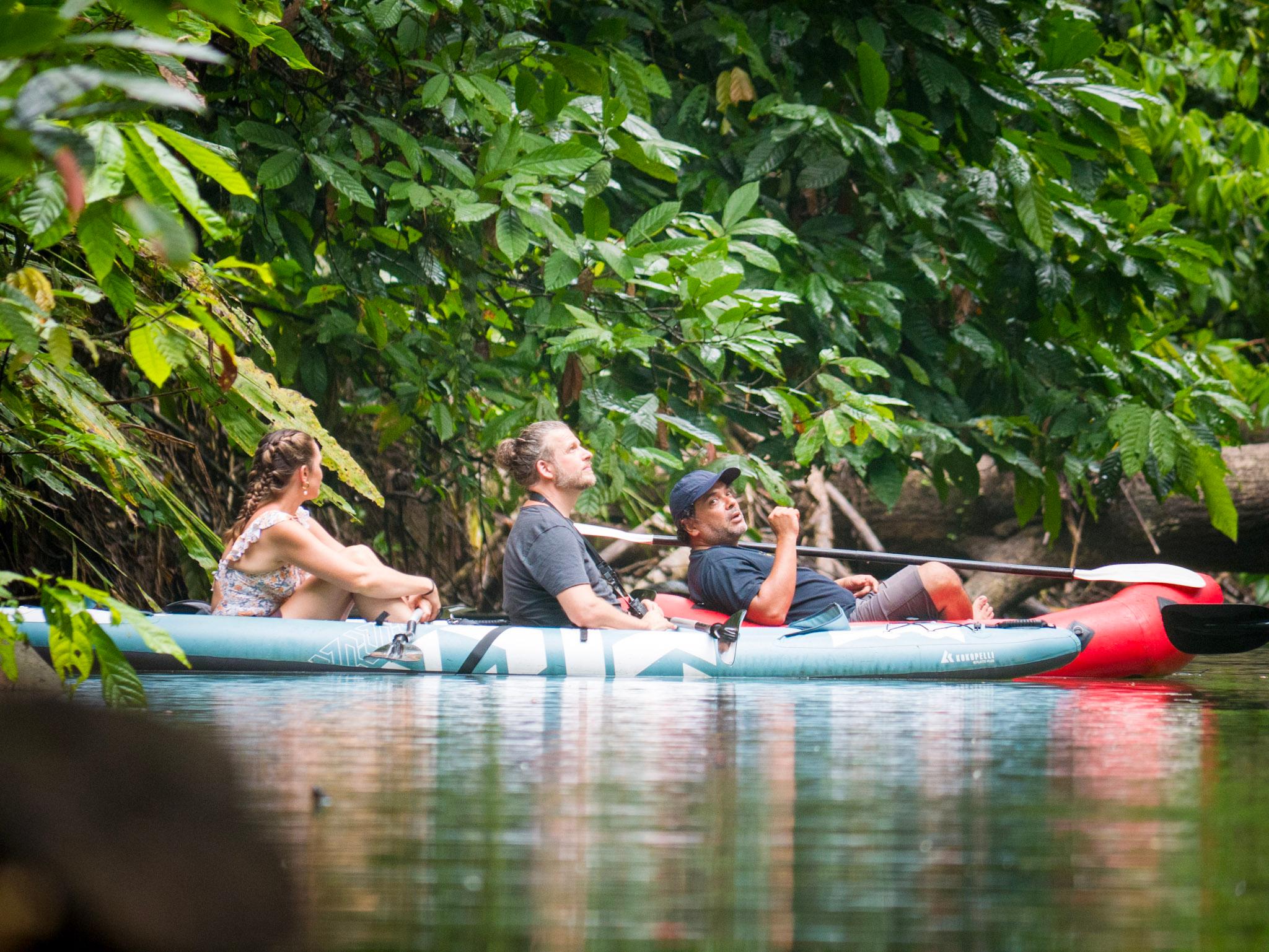
Paddle through jungle estuaries and hike coastal trails in search of sloths, monkeys, and exotic birds
Reserve
2 hr
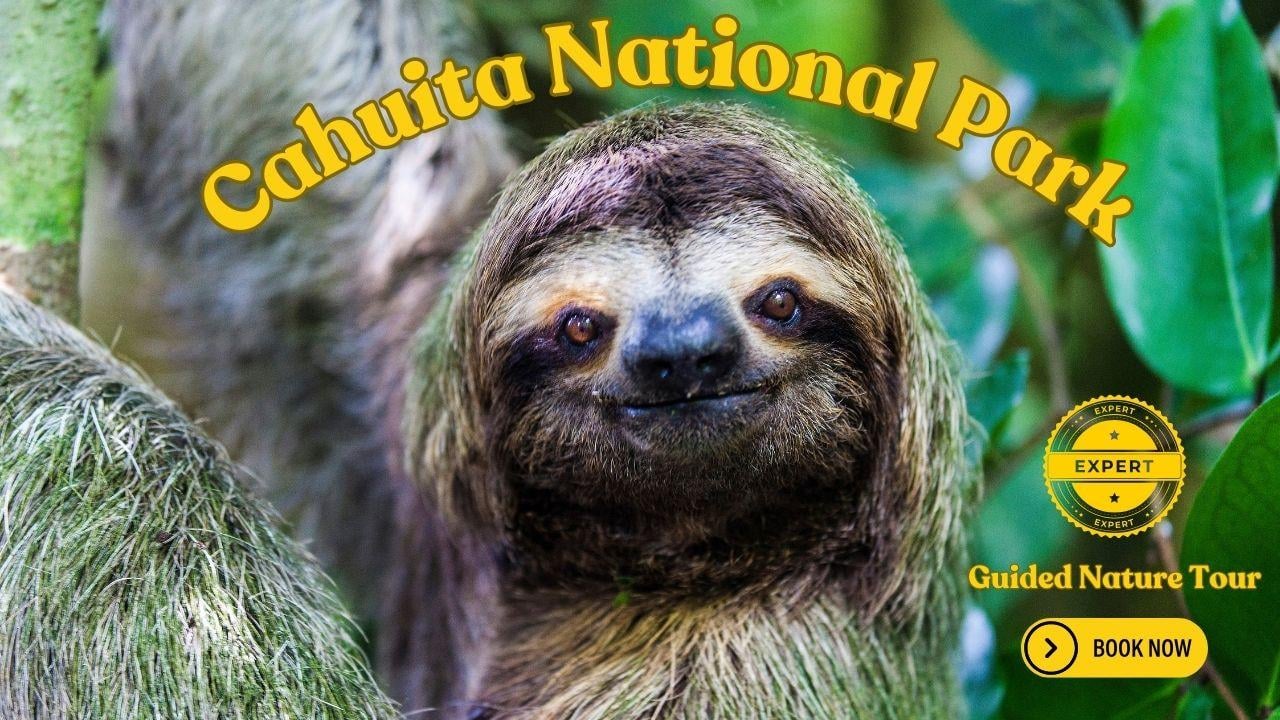
Discover sloths, monkeys, and tropical birds on a guided coastal trail through one of Costa Rica's richest habitats.
ReservePrices from verified partners. Availability updates in real time at checkout. Free cancellation policies apply where shown.
The landmarks, rooms, and views travelers on Bribri Chocolate tours remember — all visible on a single visit.
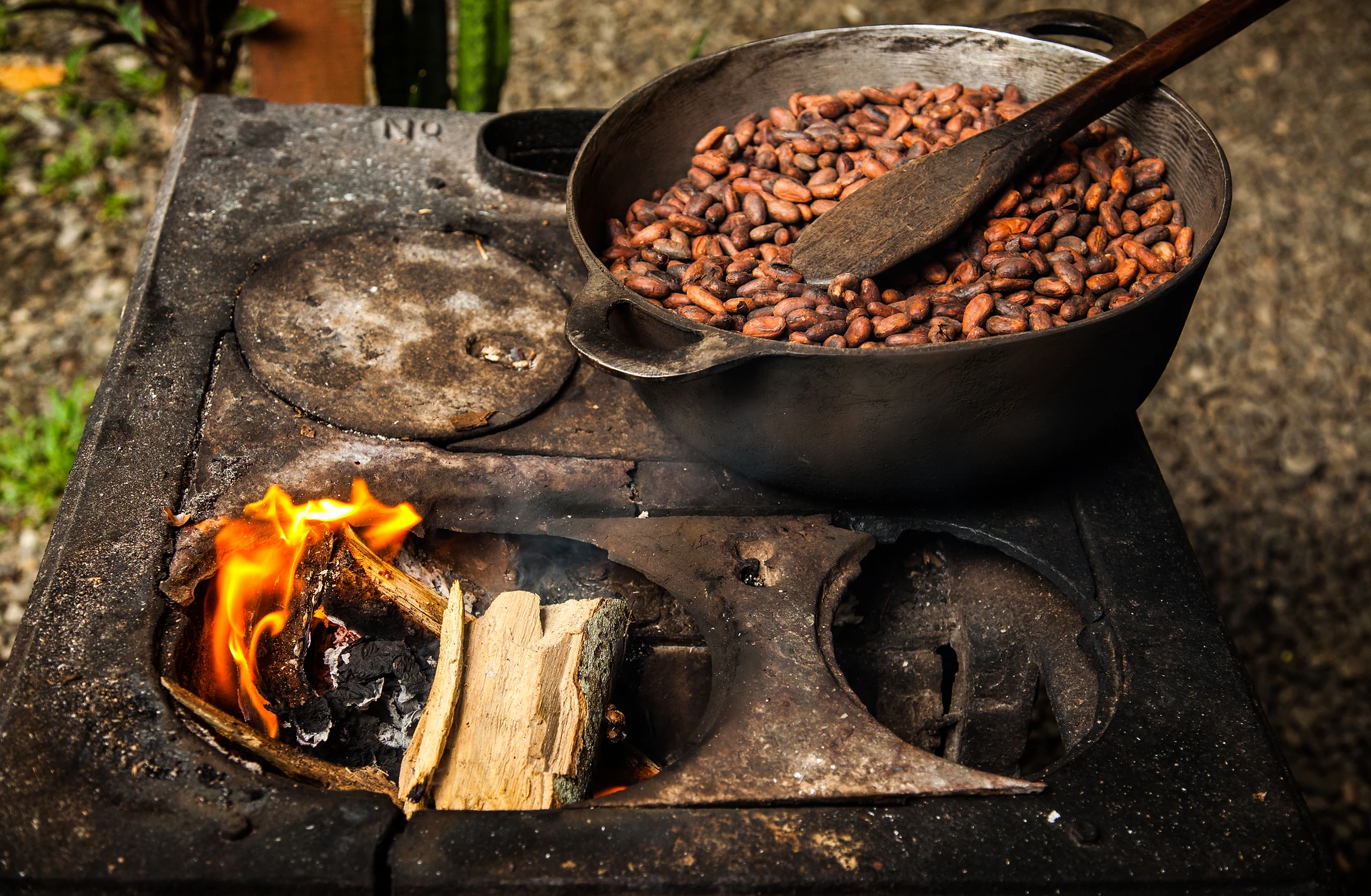
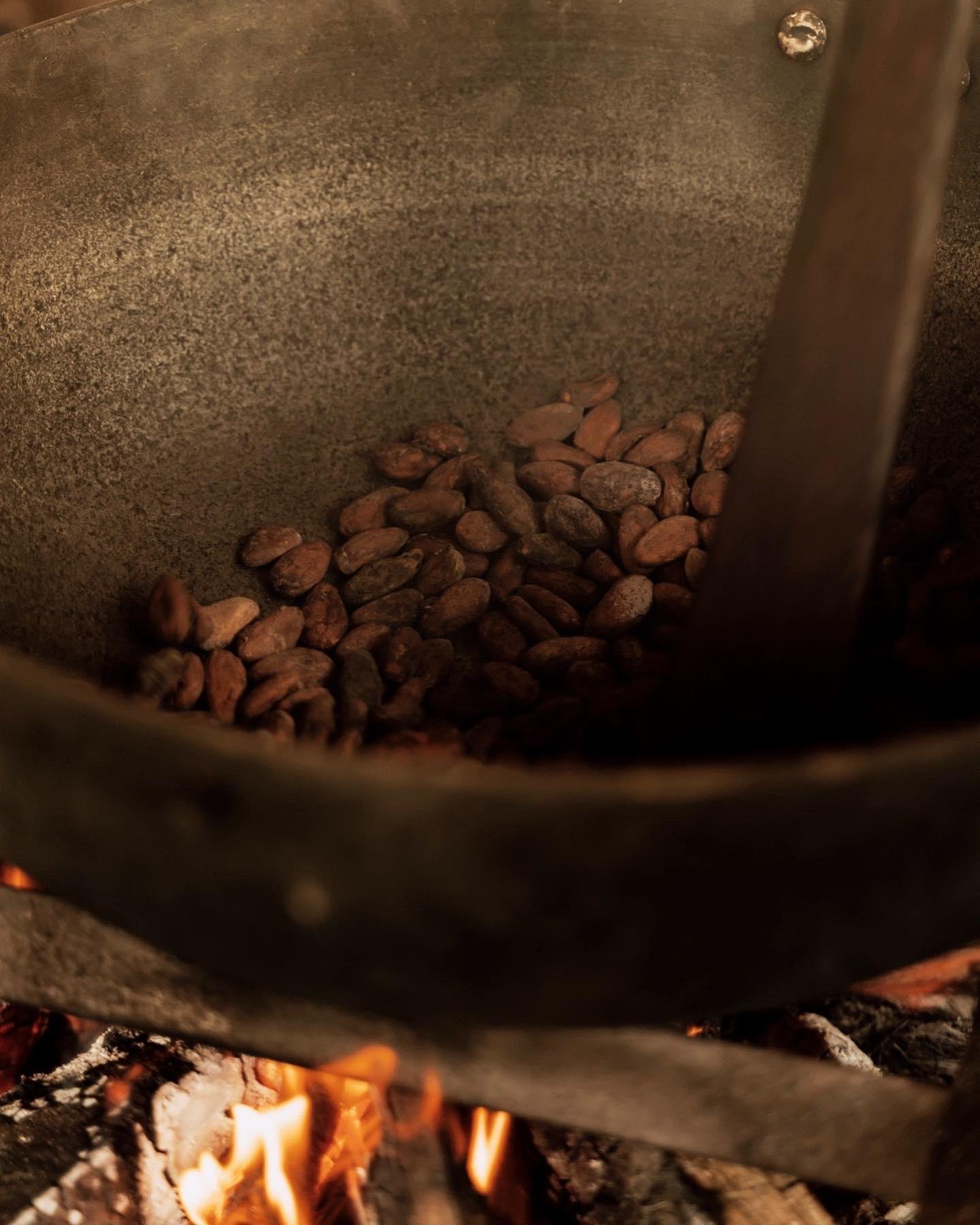
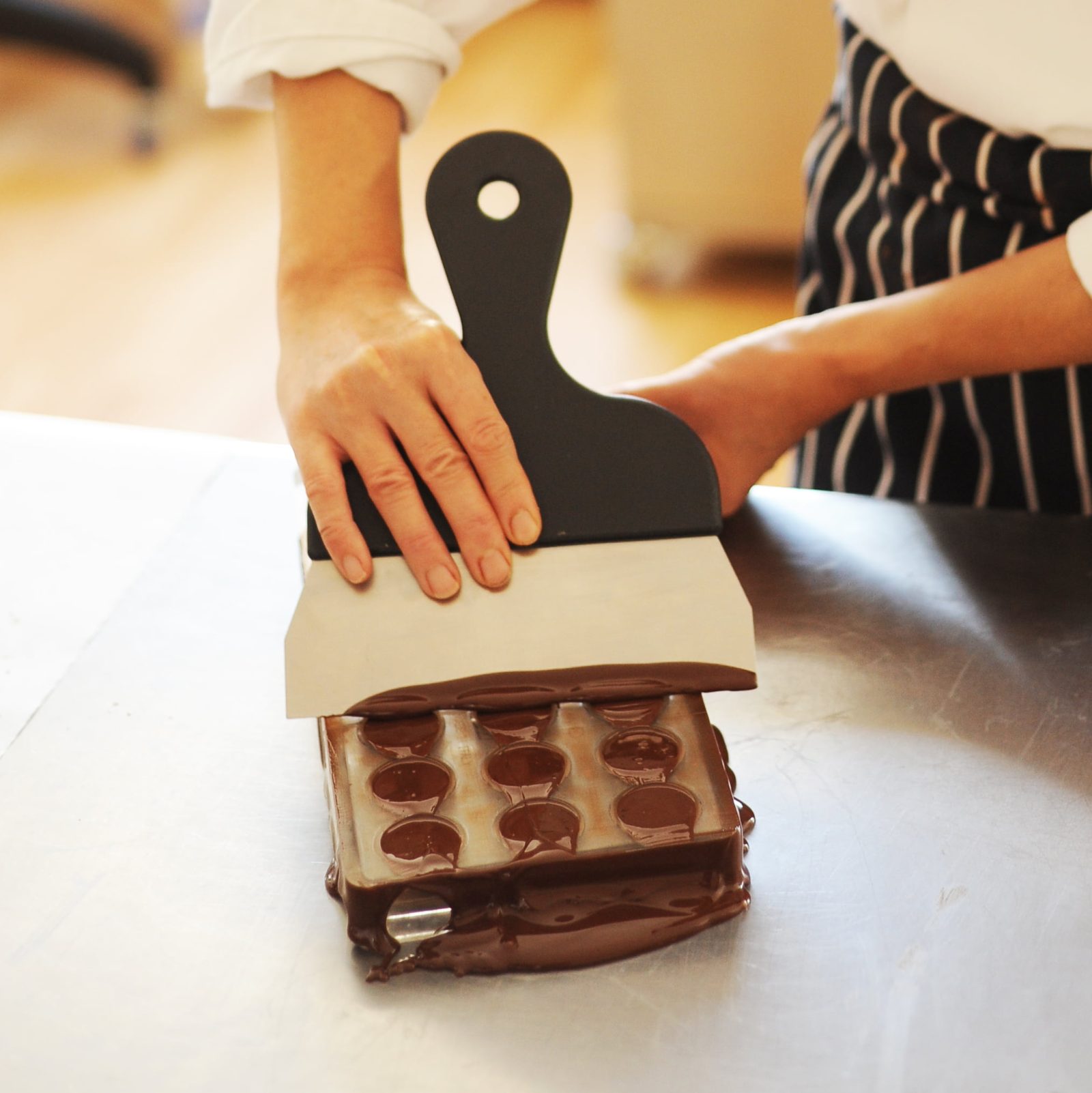
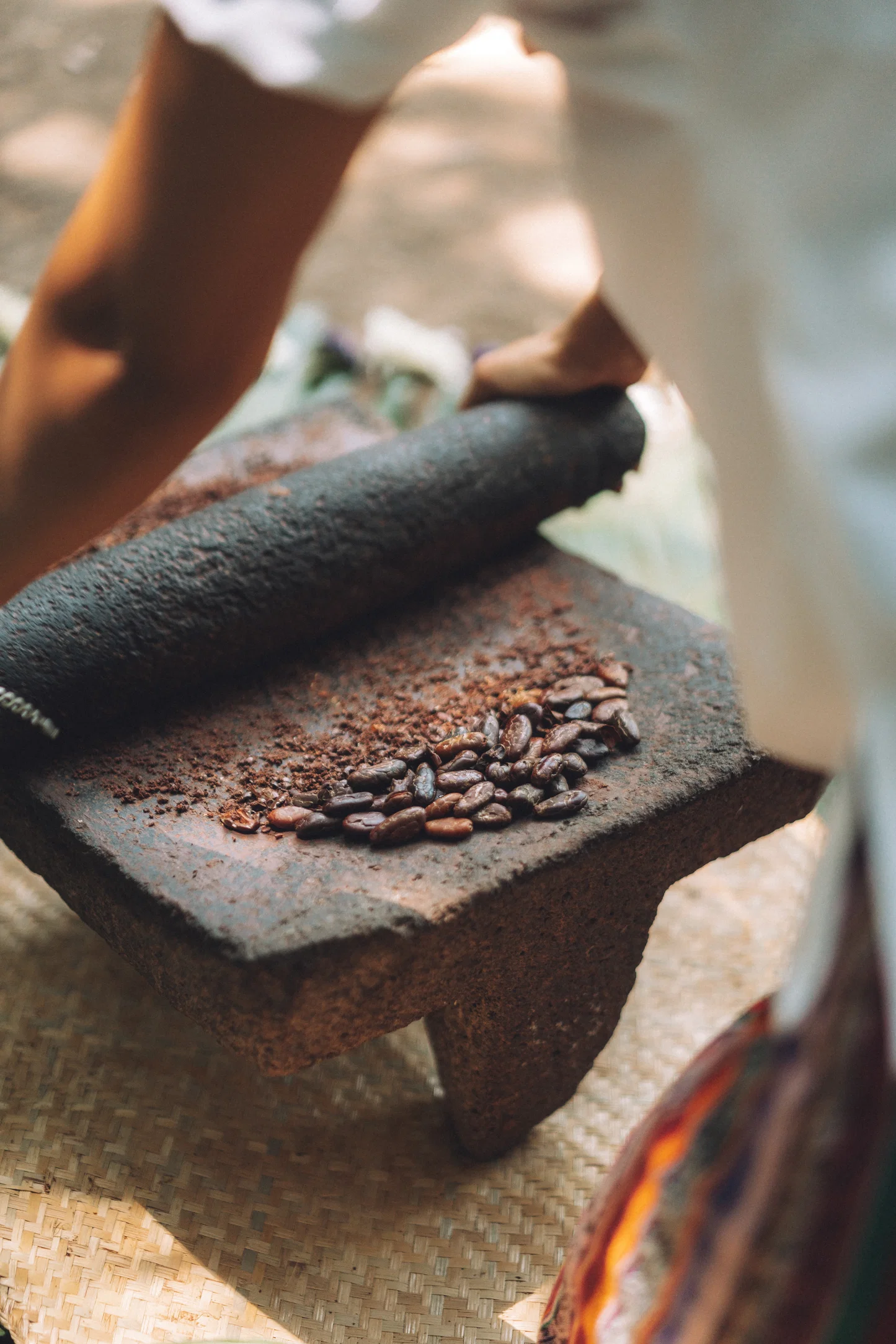
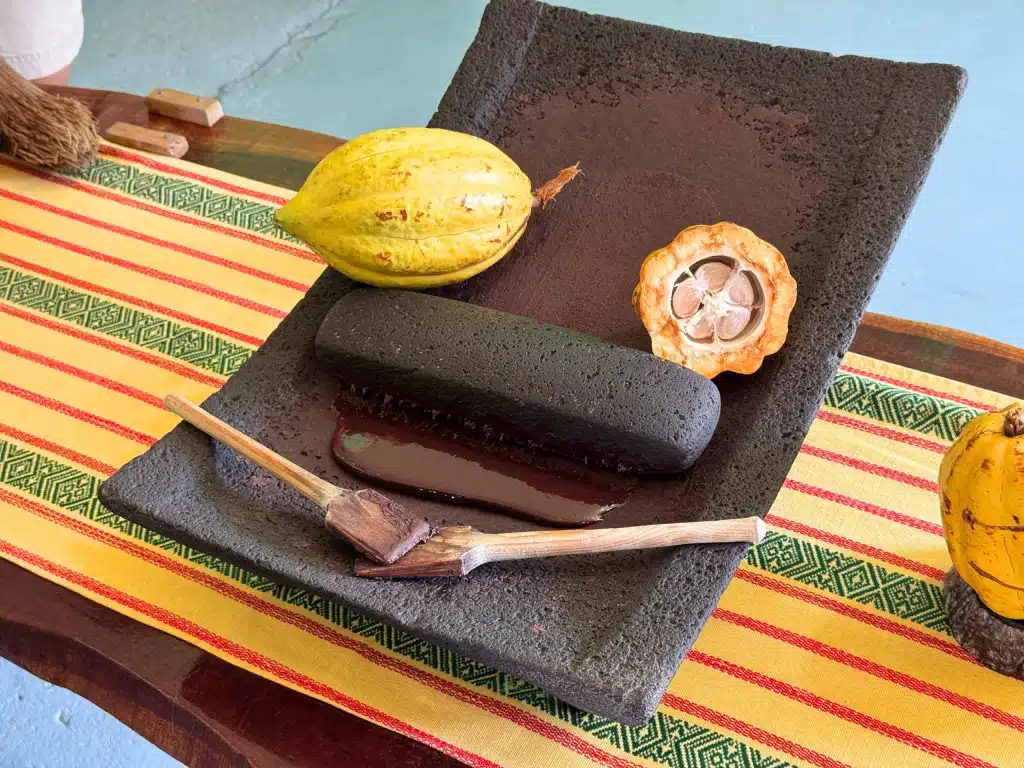
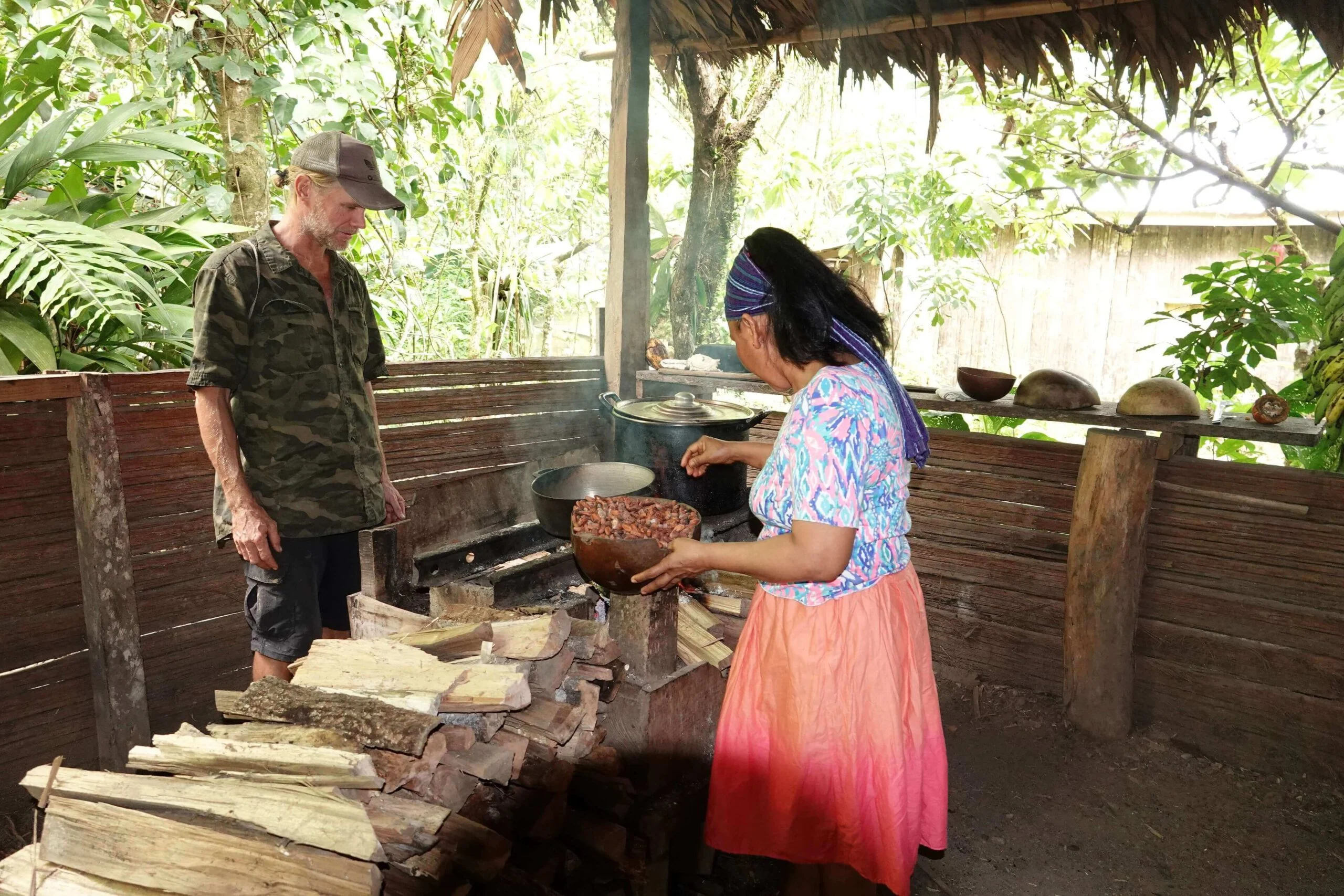
Watch the traditional process of roasting and grinding beans on a stone metate, a practice used for generations. This process reveals how cacao was historically used for both food and medicine.
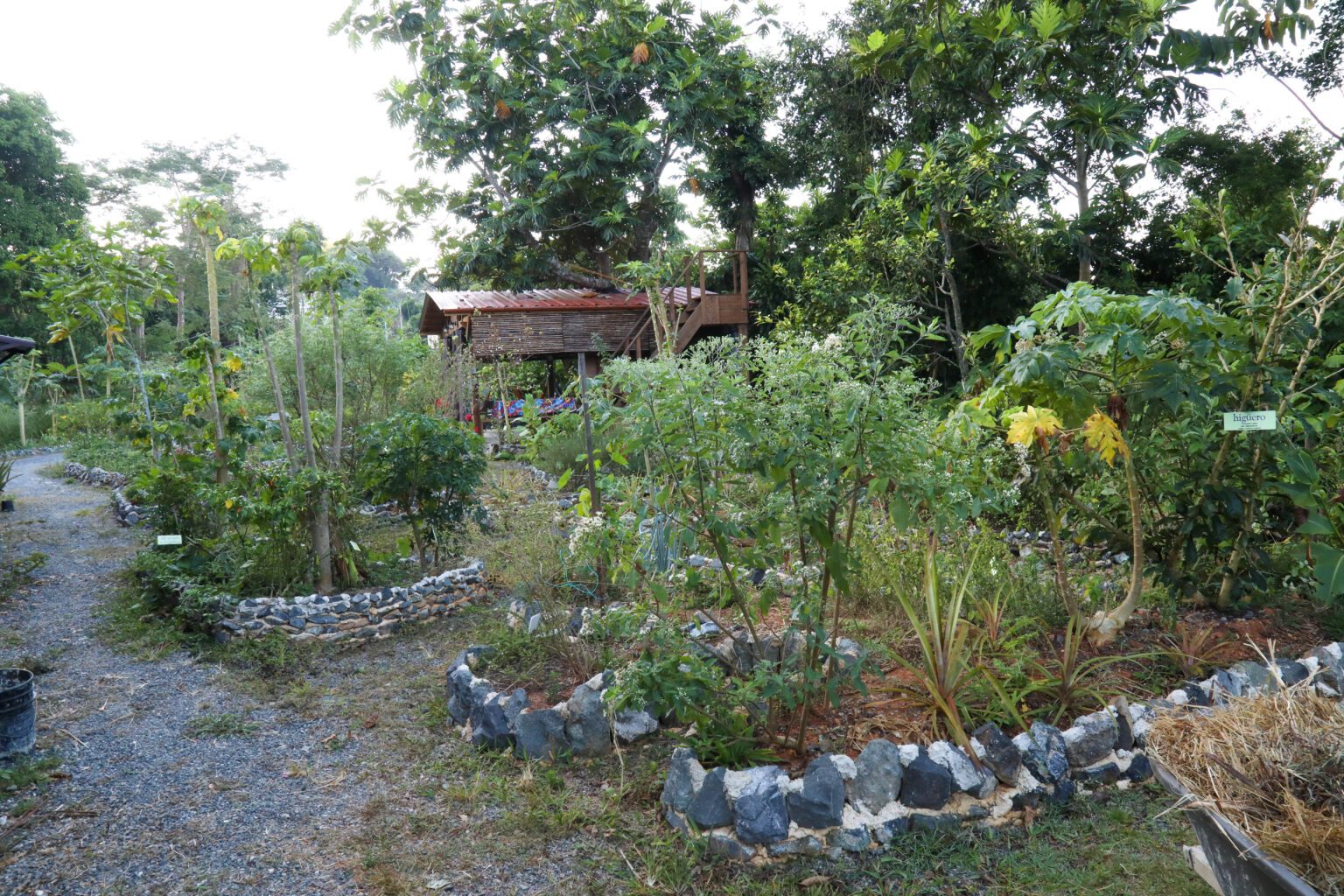
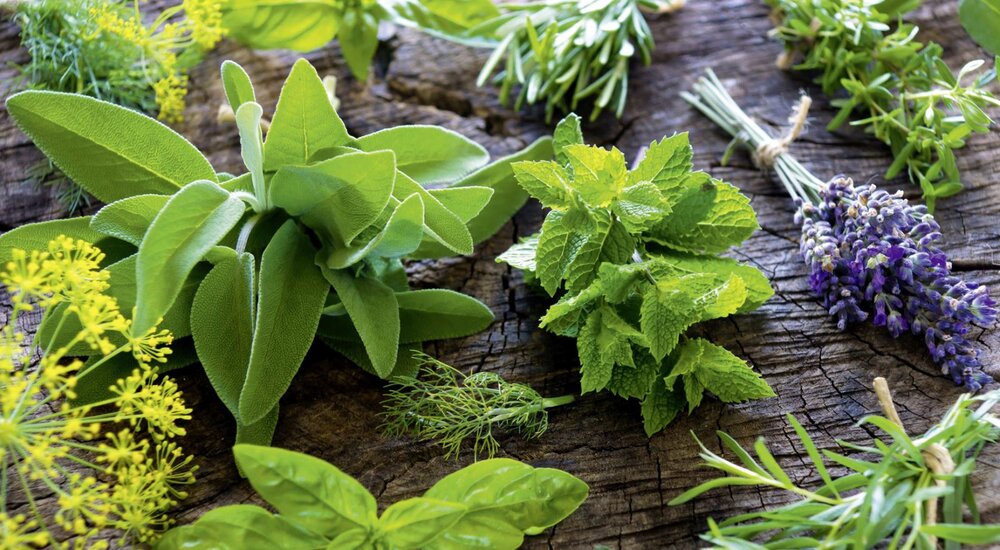
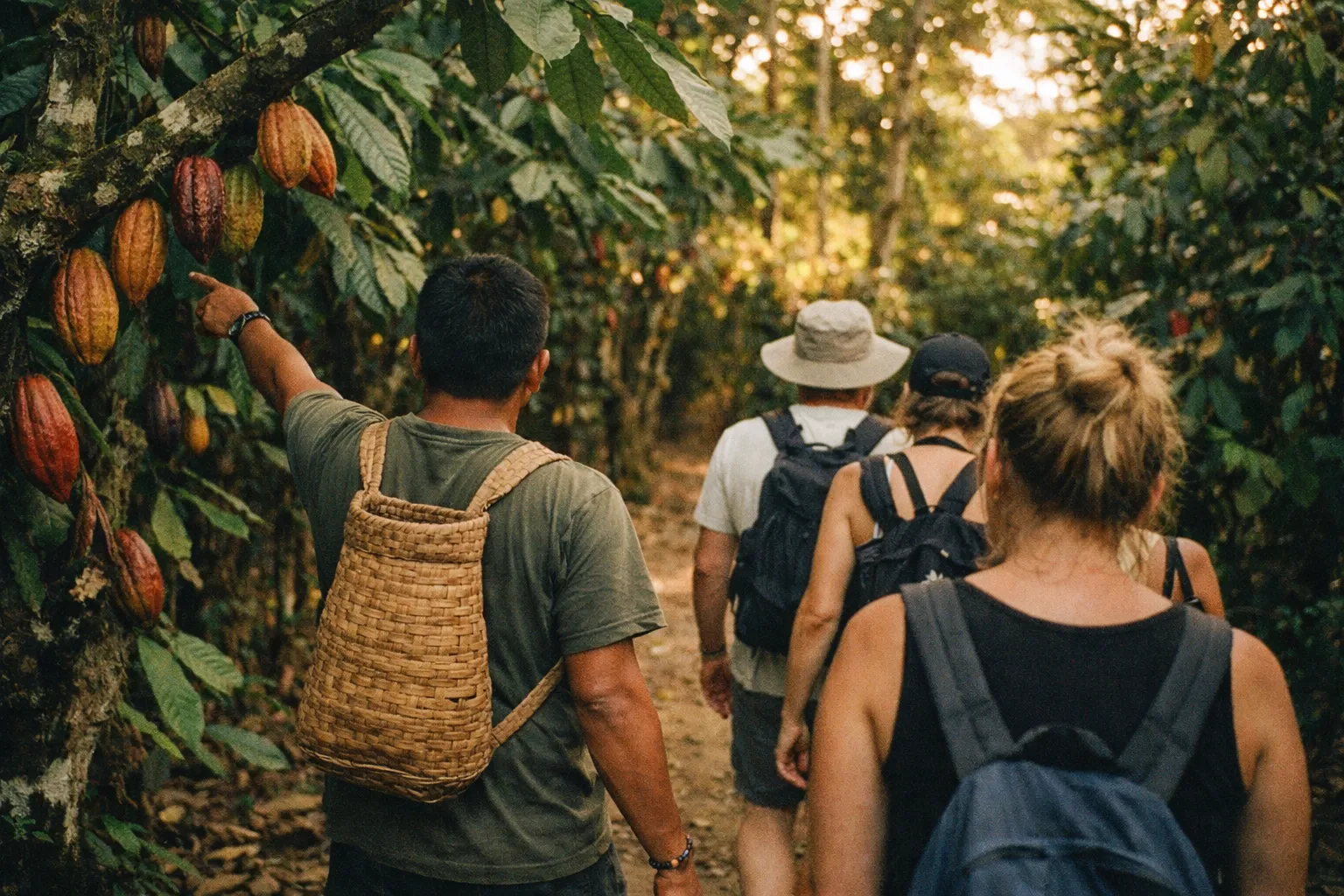
Discover how native flora is used for natural healing and daily health in Bribri culture. Guides often identify dozens of species used in traditional indigenous medicine.
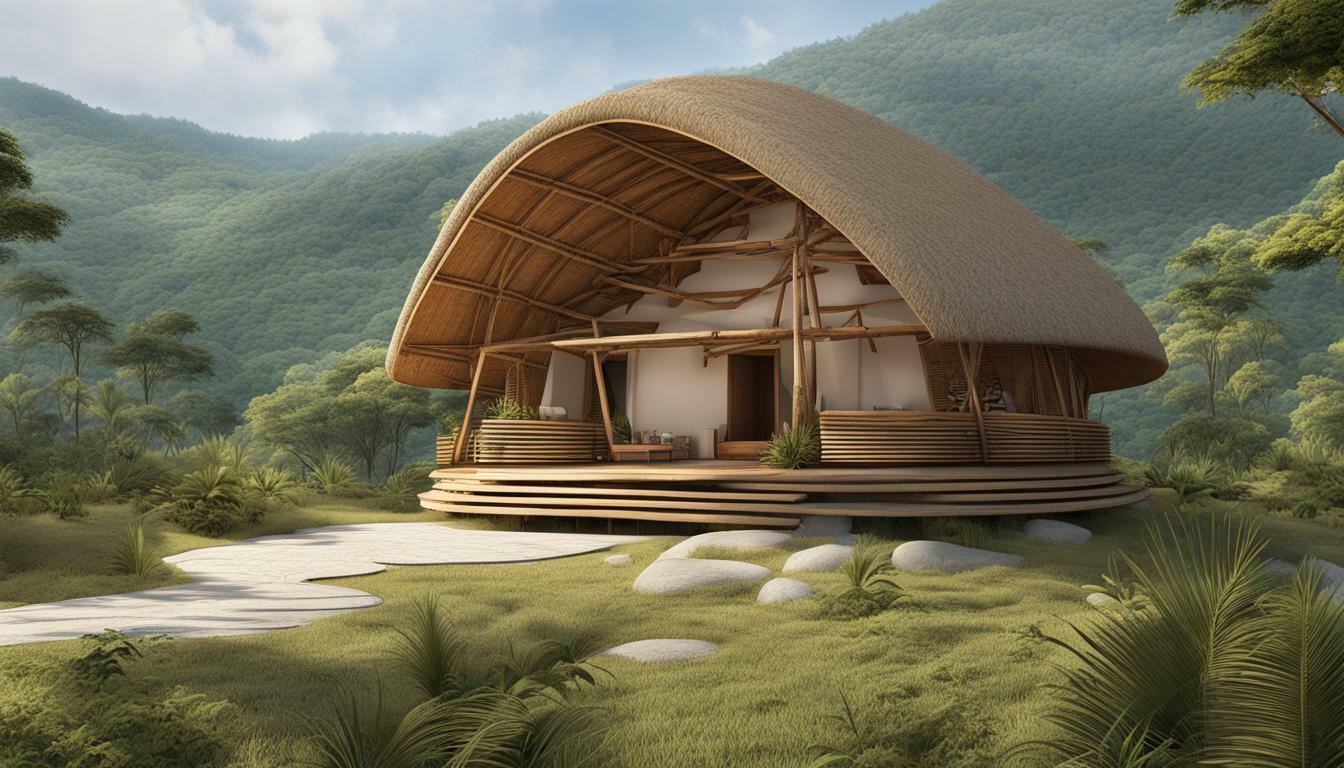
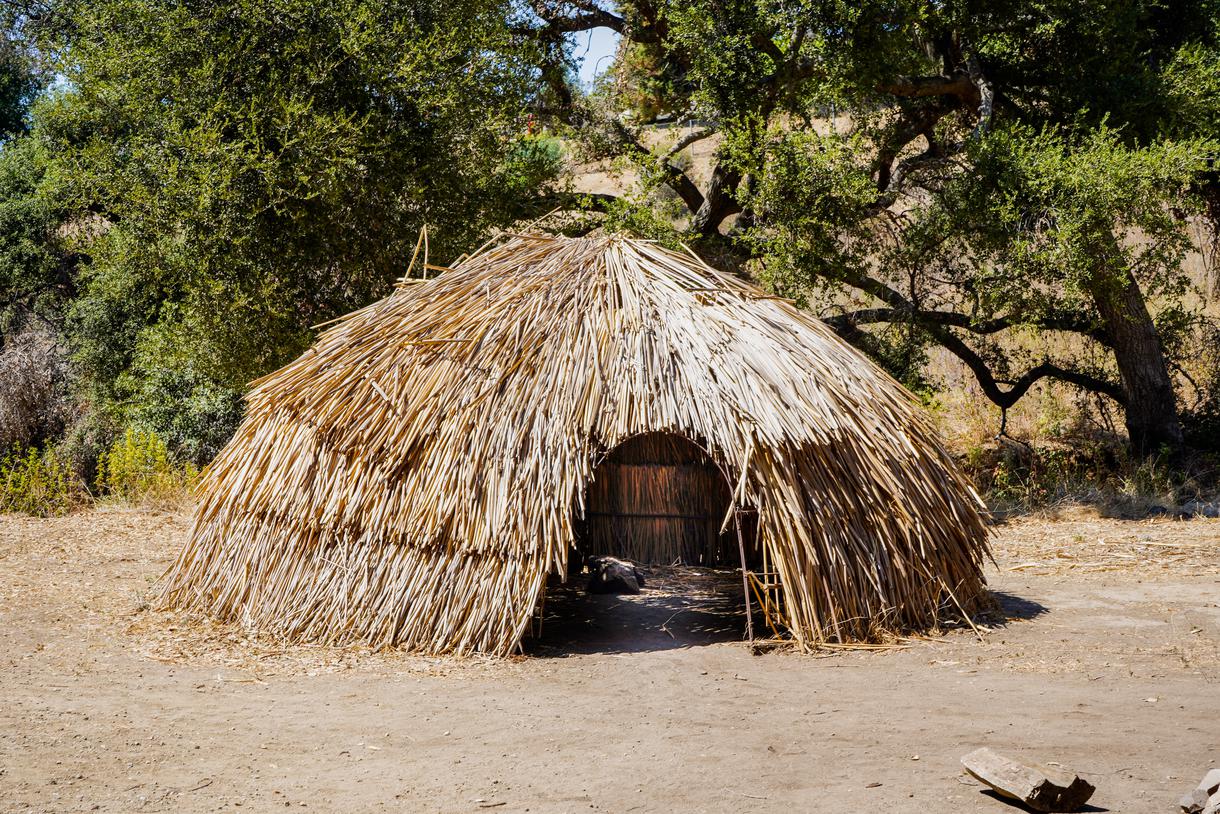
View the architecture of the traditional structure, often featuring high thatched roofs and specific symbolic layouts. These homes are central to community gatherings and cultural ceremonies.
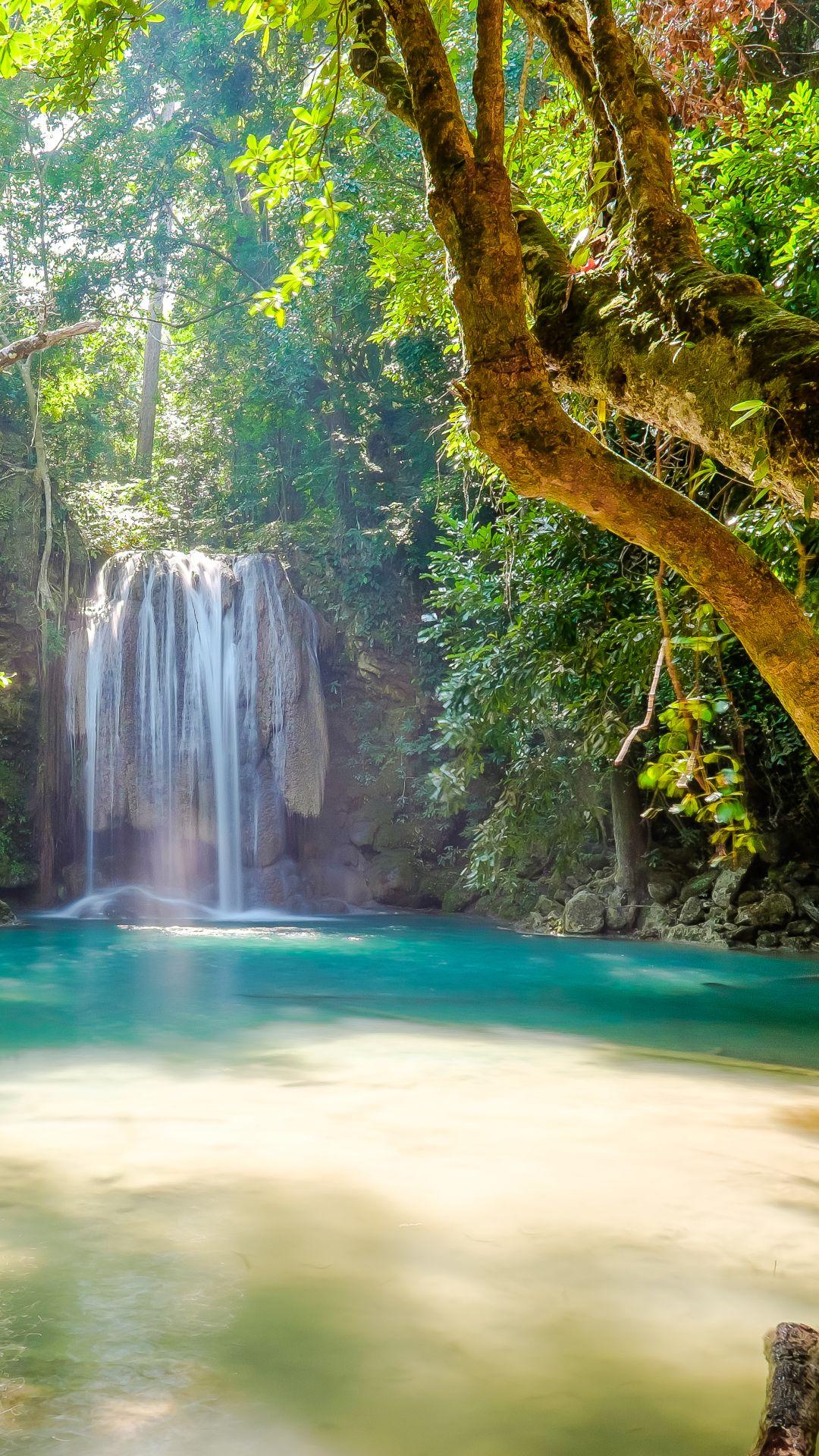
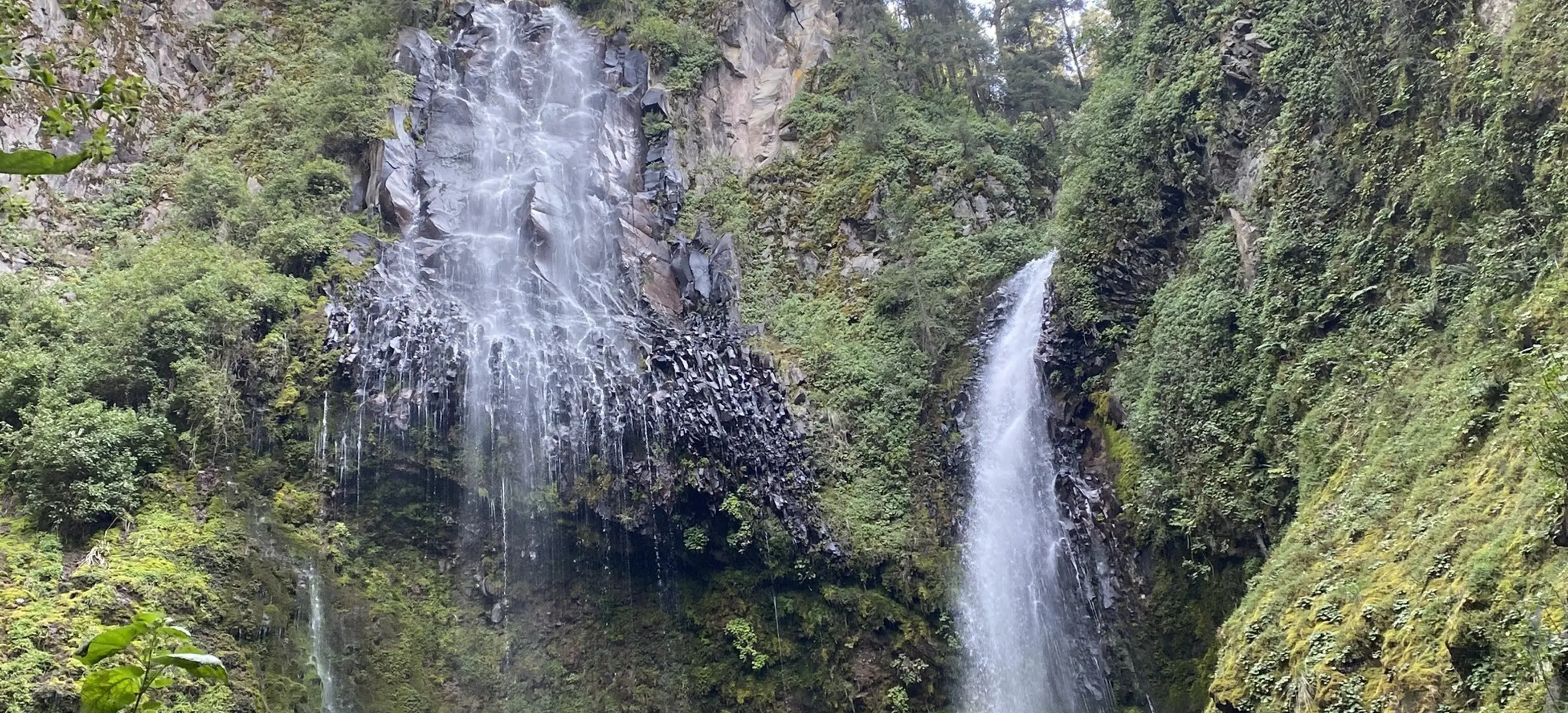
Cool off in the refreshing waters of this hidden jungle cascade located within the indigenous reserve. This site provides a peaceful backdrop for reflecting on the day's experiences.
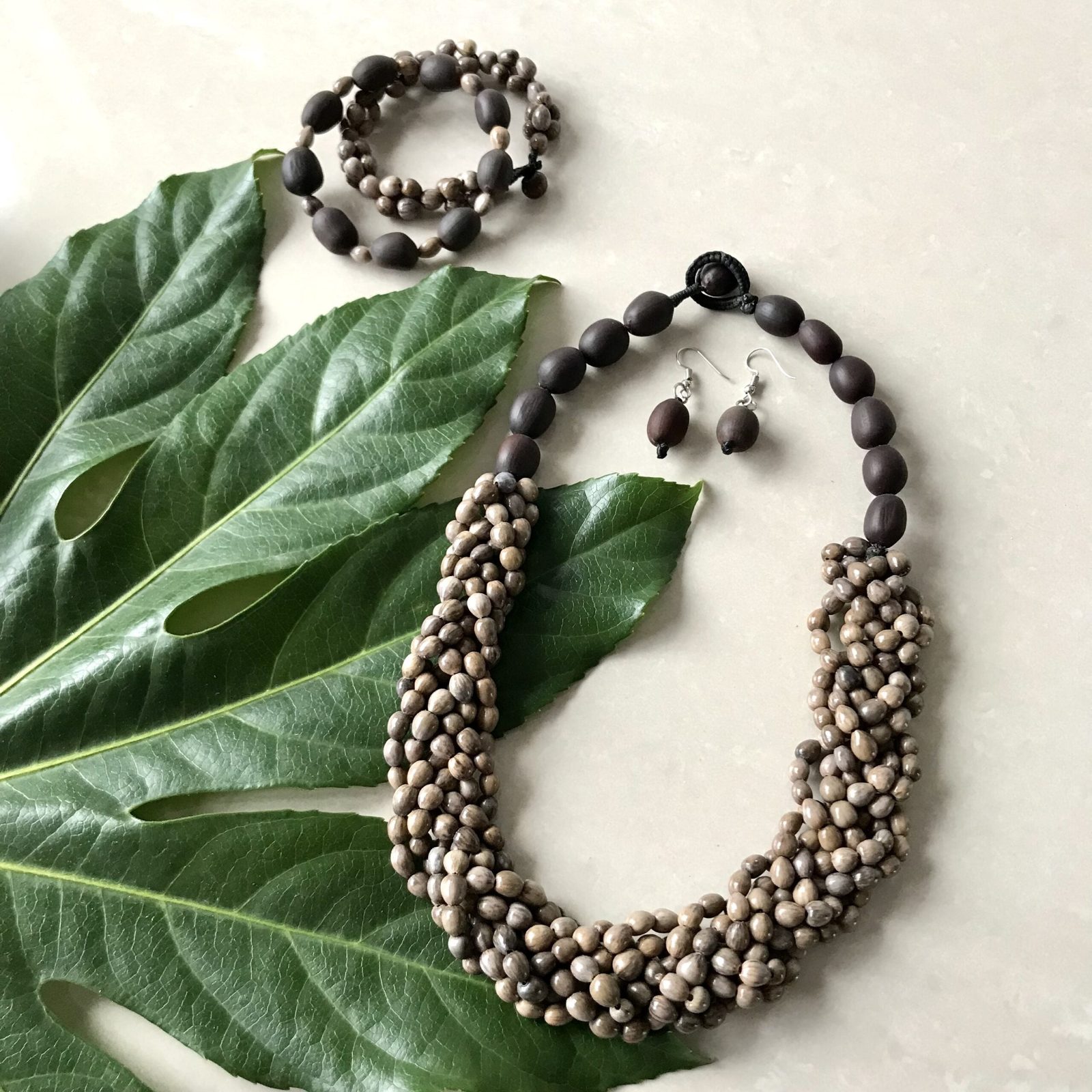
See how local artisans create colorful balsa masks and seed necklaces that are unique to this region. These items represent the artistic heritage of the Bribri people.
Every Bribri Chocolate tour side-by-side — duration, what's included, how you redeem.
| Experience | Duration | Rating | Skip-the-line | Guide | Small group | Free cancel. | Price | |
|---|---|---|---|---|---|---|---|---|
|
Guided Experience Most popular
Bribri Chocolate Workshop & Waterfall Adventure
|
6 hr 30 min | ★ 5.0 | ✓ | ✓ | ✓ | ✓ | €79 | Book → |
|
Standard Entry
Punta Uva Sloth & Wildlife Kayaking Adventure
|
2 hr 30 min | ★ 4.9 | — | ✓ | — | ✓ | €55 | Book → |
|
Standard Entry
Cahuita Wildlife & Beach Walk
|
2 hr | ★ 4.7 | — | ✓ | ✓ | ✓ | €31 | Book → |
All prices from verified partners. Availability and exact terms confirmed at checkout.
The Bribri chocolate tour is best for those seeking deep indigenous immersion, while Caribeans Chocolate Tour is the superior choice for a structured, educational look at the bean-to-bar production process.
| Feature | Top pick Bribri Indigenous Tour | Caribeans Chocolate Tour |
|---|---|---|
Cultural Depth |
High indigenous heritage focus | High agricultural industry focus |
Connection to Community |
Directly supports indigenous families | Operates as private business venture |
Primary Focus |
Ancestral traditions and customs | Modern cocoa processing and chemistry |
Setting |
Traditional jungle village | Cacao plantation and processing facility |
Hands-on Participation |
Manual grinding and preparation | Guided machinery and tasting demonstration |
Accessibility |
Guided community access only | Publicly available booking slots |
| See tickets → |
Verdict: Select the Bribri chocolate tour tours to connect with local heritage, or book Caribeans for a polished overview of regional cacao production; consider if you prefer authentic cultural exchange or professional cacao workshops when purchasing your bribri chocolate tour tickets.
Choose your ticket, select your date, and reserve in under two minutes. Secure checkout handled by our verified partner.
Instant confirmation by email, with a mobile voucher you can save offline. No printing, no queuing at a collection desk.
Arrive at the entrance, show your voucher on your phone, and walk in. Most tickets include priority or skip-the-line access.
Practical details for Bribri Chocolate tickets straight from our verified partners — hours, access, rules, and how to get there.
Main road pickup
Convenient for most travelers
Open in Google MapsDrive 35 minutes from Puerto Viejo through the Bribri administrative center.
Take the MEPE bus from Puerto Viejo to Bribri town, then arrange local transport.
Wear comfortable, moisture-wicking clothing suitable for a tropical rainforest environment. Sturdy walking shoes or secure water shoes are essential for navigating paths and potential waterfall visits.
Keep belongings minimal. Use a waterproof bag or dry sack to protect electronics and personal items from humidity and potential splashes during your bribri chocolate tour.
Photography is encouraged, but always ask permission before taking close-up photos of local family members or their homes. A waterproof camera is recommended for the waterfall portion of your bribri chocolate tour.
The terrain consists of natural forest paths which can be uneven or muddy. Those requiring specialized assistance should verify specific accessibility with their tour operator before booking bribri chocolate tour tickets.
Cellular service can be intermittent in the Talamanca mountains. Download maps offline before departing Puerto Viejo for your bribri chocolate tour.
The experience is welcoming for families and educational for children interested in nature. Note that the walking involved is best suited for children who can manage natural trails.
Most organized tours include snacks or a traditional lunch prepared by the community. Bringing a refillable water bottle is strongly encouraged for the duration of your bribri chocolate tour.
Pets are not permitted in the indigenous territory to respect local agricultural and conservation practices. Please make alternative arrangements for your pets while on your bribri chocolate tour.
Support the local economy by purchasing handmade crafts directly from community artisans. The entrance fee is 0 USD, but costs are typically bundled into guided bribri chocolate tour tours.
Best time to go, insider tips, nearby landmarks, and the cancellation fine print — flip through to skim what matters to you.
How crowds, weather, and events shift across the year.
Drier months provide better conditions for forest trails and photography.
Expect afternoon tropical rain showers, which enhance the lushness of the jungle.
Lower visitor density, though trails can be more slippery.
Ideal weather for visiting the Bribri Indigenous Territory and local cacao farms.
Small details that turn a good visit into a great one.
Always request permission before filming or taking photos of individuals.
Heavy bags hinder movement on uneven jungle paths during your bribri chocolate tour.
Knowing basic Bribri or Spanish greetings shows respect to the community.
Stay on marked trails to protect sensitive plants and avoid restricted sacred sites.
Small bills are best for purchasing authentic, handmade chocolate or local souvenirs.
Avoid loud noises to better spot wildlife during your bribri chocolate tour.
Start your journey in the 08:00–10:00 window to avoid the hottest parts of the day.
Non-bookable sights within a short walk — free to visit, easy to pair.
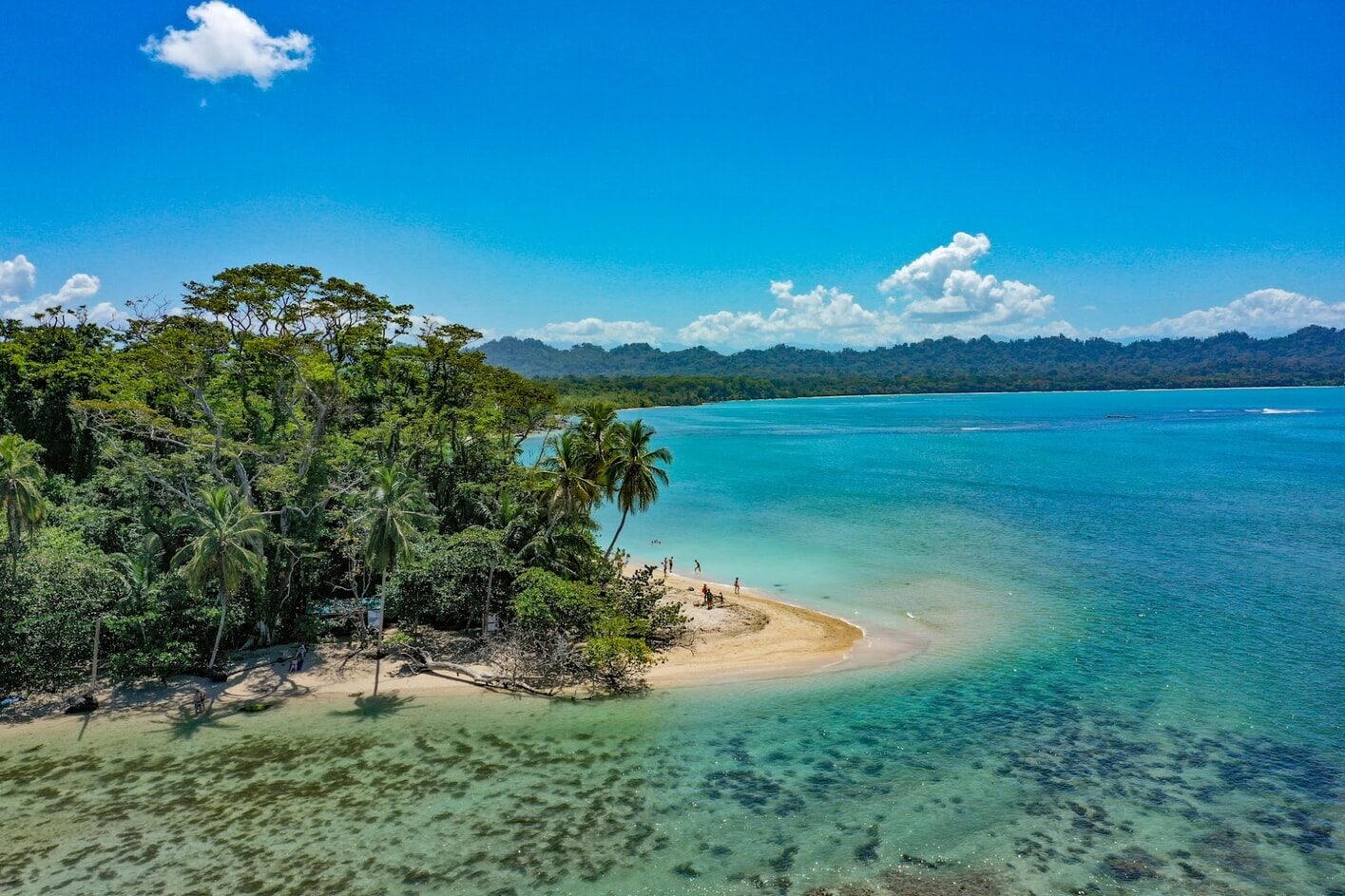
Diverse coastal ecosystem featuring snorkeling and hiking trails.
A site known for its raptor migration and community heritage.
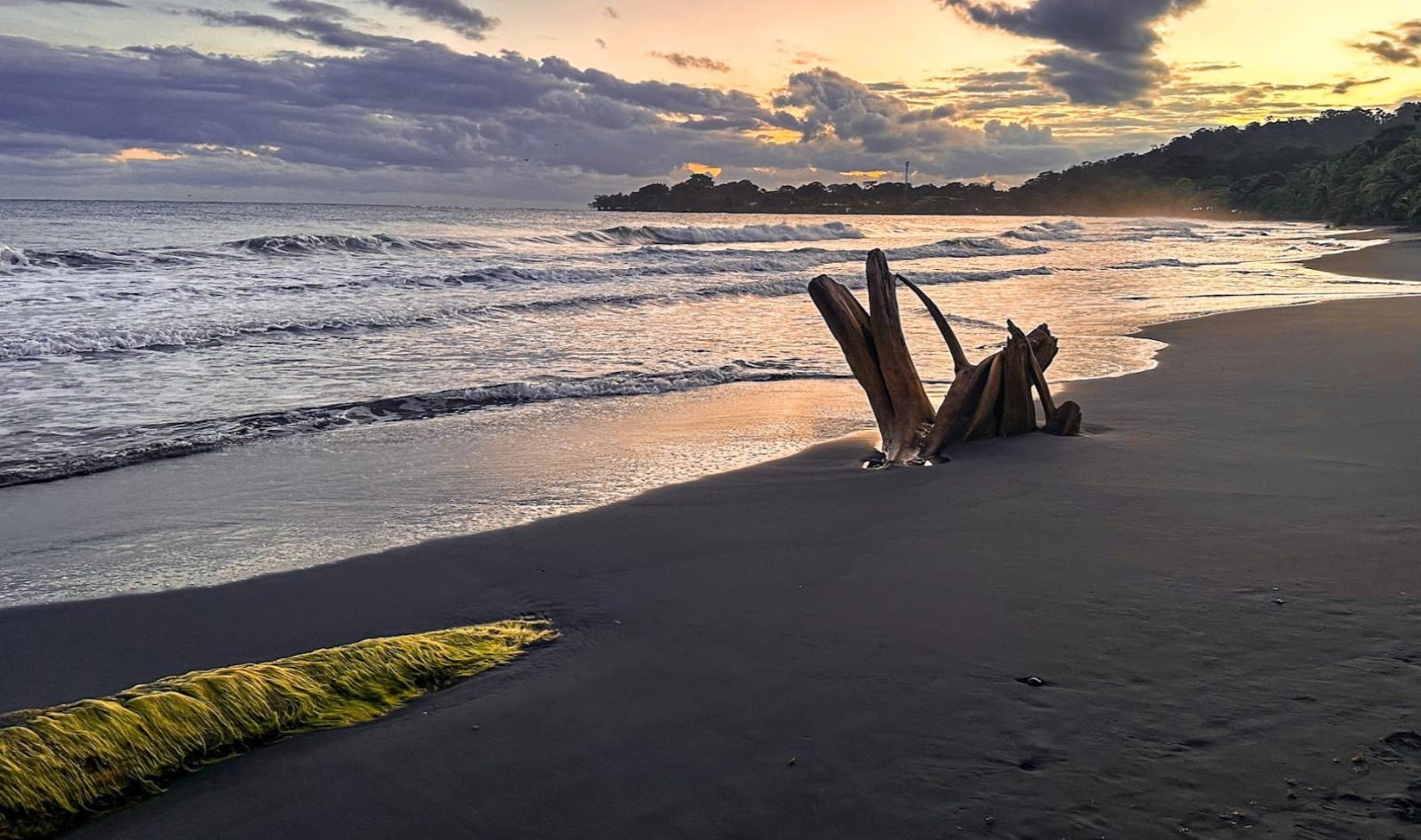
Dark sand beach ideal for coastal walks and sunsets.
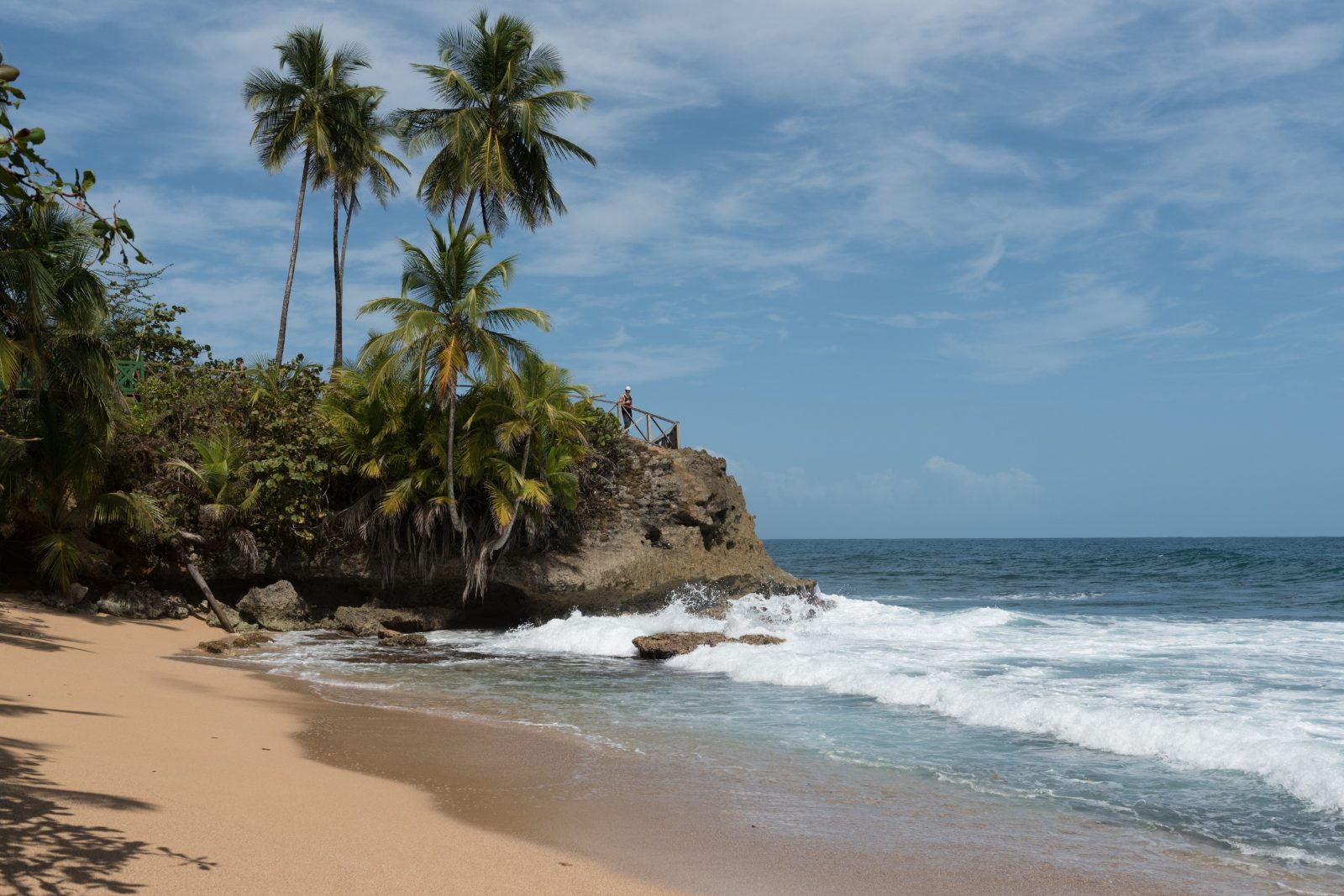
Protected jungle area bordering the sea with scenic lookout points.
Flexible, no hidden fees.
Full refunds are typically available for cancellations made at least 24 hours before the scheduled bribri chocolate tour. Last-minute changes or no-shows may incur full charges for the community-run experience.
Hand-picked options within walking distance — pick a district for vibe, or a specific hotel for convenience.
Comfortable lodges focusing on eco-conscious stays.
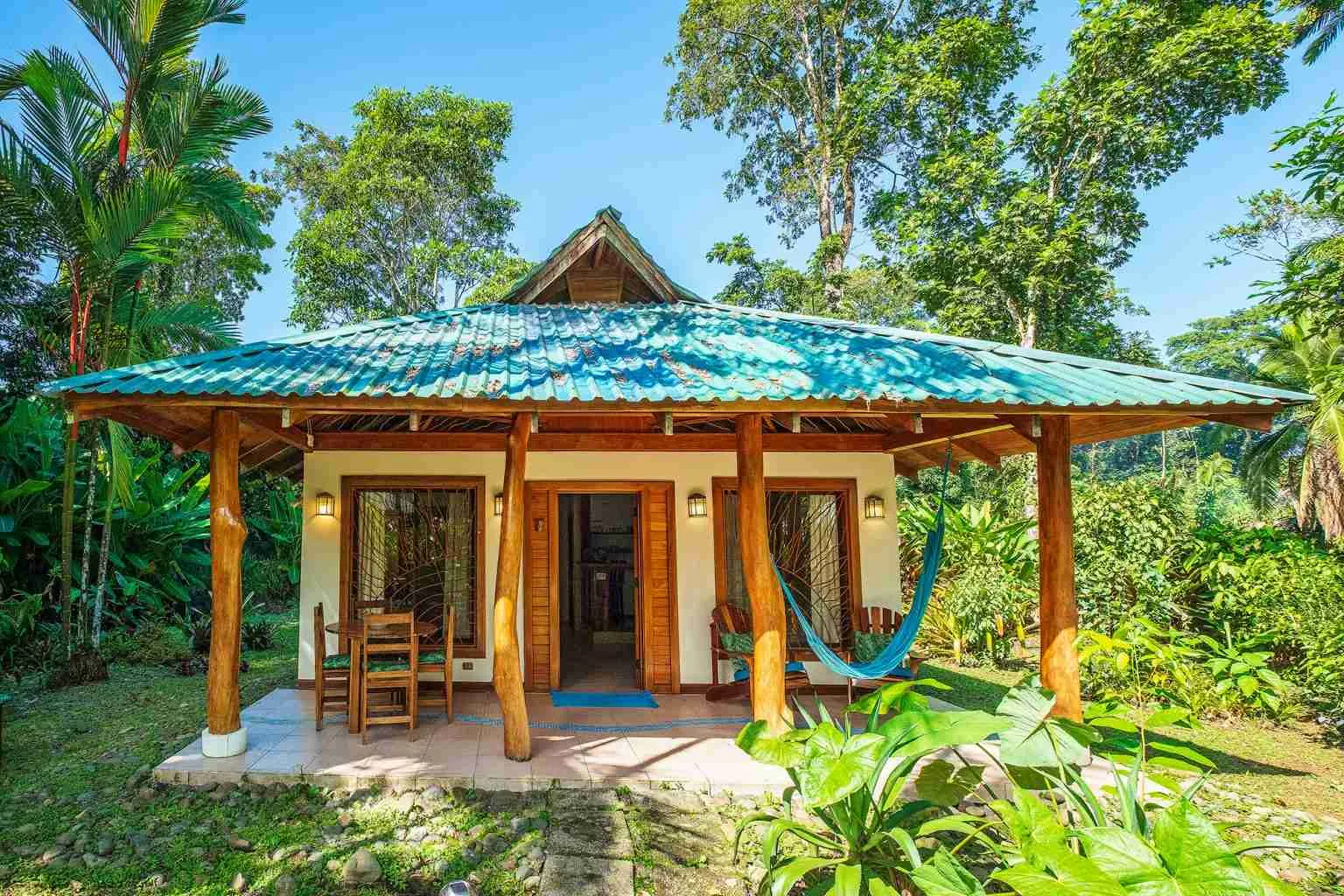
Authentic Caribbean-style lodging near the sea.
Immersive stay options directly within the community.
The Bribri people have cultivated Theobroma cacao in the Talamanca rainforest for more than two thousand years, long before European contact transformed chocolate into a global commodity.
Their traditional preparation method—roasting beans over open flame, grinding by hand on volcanic stone, and mixing with water and local spices—remains chemically distinct from industrial confectionery, preserving enzymatic compounds that modern tempering destroys. The Bribri chocolate tour in Puerto Viejo offers access to this living heritage within the autonomous indigenous territory, where eight clans govern land use under customary law and Spanish remains a second language.
The cacao groves themselves are agroforestry systems, not monoculture plantations. Bribri farmers interplant cacao with plantain, pejibaye palm, and nitrogen-fixing inga, creating a canopy structure that mimics primary forest. This polyculture supports howler monkeys, toucans, and poison dart frogs—species absent from conventional cacao estates. The trees here are criollo and trinitario hybrids, genetically closer to pre-Columbian cultivars than the forastero clones that dominate West African production. Harvest timing follows lunar cycles rather than market demand, and fermentation takes place in bijao leaves, not wooden boxes.
Visitors to the Bribri chocolate tour Costa Rica enter the territory by footbridge over the Yorkín or Urén rivers, both of which form natural boundaries between titled indigenous land and the buffer zones of La Amistad International Park. The tour is led by Bribri-speaking guides who explain the cosmological role of cacao in Sibö̀ creation narratives, where the tree is a gift from the earth goddess and its cultivation a sacred responsibility passed through matrilineal lines. Women traditionally control cacao knowledge, though men perform the heavy labor of clearing and planting. The Bribri indigenous chocolate tour includes a visit to a working family farm, where the full post-harvest sequence—pod splitting, mucilage fermentation, sun drying, roasting, and grinding—unfolds in real time. The final product is served as a hot beverage with cane sugar, cinnamon, and sometimes chili, closer to Mesoamerican drinking chocolate than European confectionery. Some Bribri chocolate and waterfall tour variants combine the cacao workshop with a guided hike to cascades within the territory, adding river bathing and medicinal plant identification to the itinerary. The experience operates as a community cooperative, with proceeds distributed among participating families rather than captured by external operators, making it one of the few tourism ventures in Costa Rica still governed by indigenous decision-making structures.

"The trees here are criollo and trinitario hybrids, genetically closer to pre-Columbian cultivars than the forastero clones that dominate West African production."
A step-by-step walkthrough of Bribri Chocolate tickets — what you'll see, how long each stage takes, and the details that matter.
You cross the river on a cable-and-plank footbridge, the water brown with tannins from upstream forest. Your guide greets you in Bribri, then switches to Spanish as you enter the cacao grove.
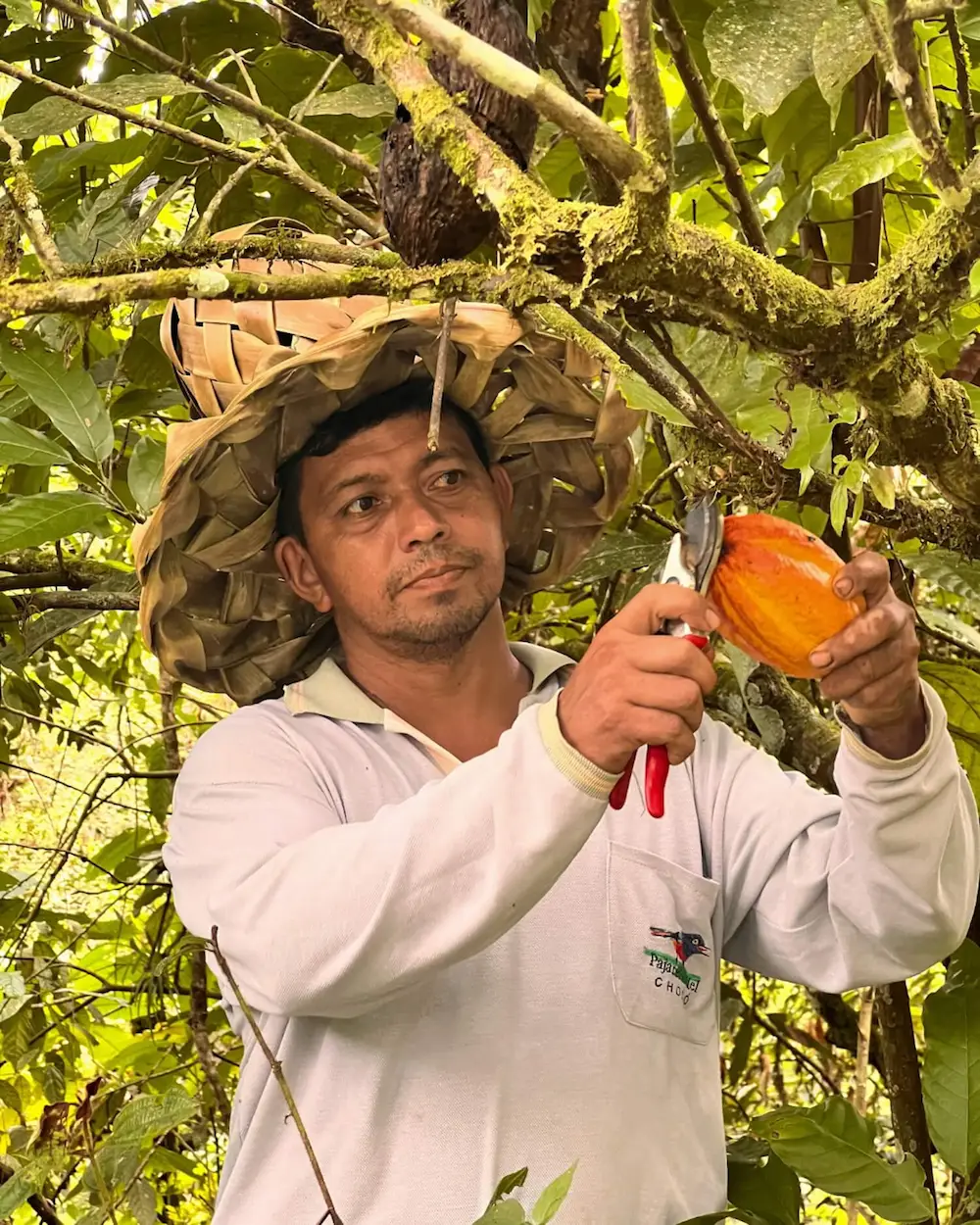
The canopy is dense—plantain leaves the size of surfboards, heliconia spikes in red and orange, and beneath them the low cacao trees with their clusters of ridged pods hanging directly from the trunk.
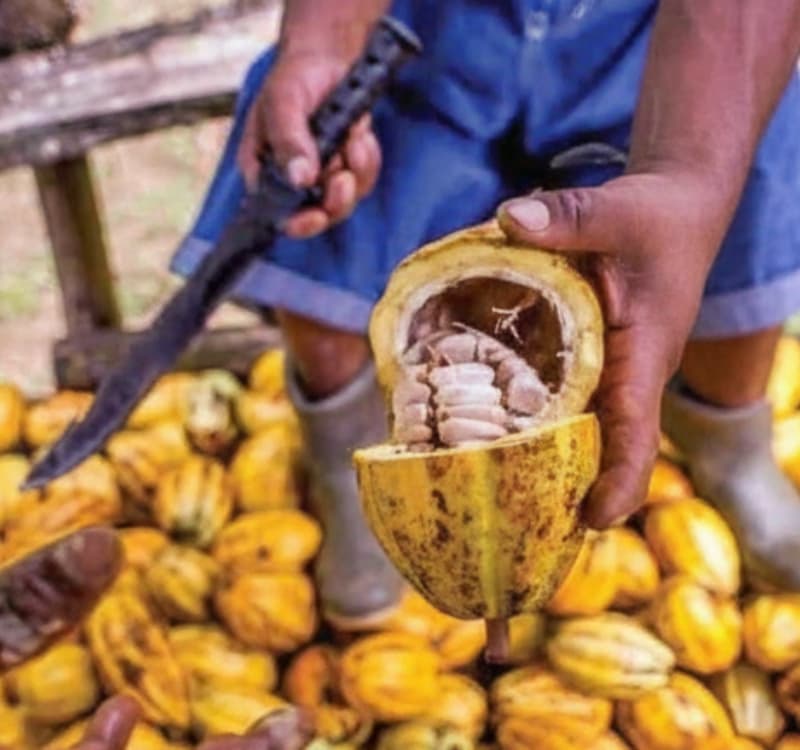
You watch the guide split a ripe pod with a machete, and you scoop the white mucilage-covered beans into a bowl. The mucilage tastes sweet and floral, nothing like chocolate. Fermentation happens in a pile covered with banana leaves; your guide lifts the corner to show you the heat and smell of microbial transformation. The roasted beans go onto a stone grinder, and you take a turn pushing the mano back and forth, the paste darkening and releasing its aroma. The guide adds hot water, cane sugar, and a stick of cinnamon, and you drink the result from a clay cup. It is bitter, earthy, and nothing like the product you buy in foil wrappers. Around you the forest hums—howlers call from the ridge, and a mot-mot watches from a low branch. The guide explains that this grove has been in her family for four generations, and that her daughter will inherit the cacao knowledge when she comes of age. You leave with paste wrapped in a bijao leaf, and the metallic taste of unsweetened chocolate still on your tongue.
The territory and associated cultural experiences are accessible daily from 08:00–17:00.
The entrance fee is 0 USD, but most visitors book through a guided bribri chocolate tour which covers transport and community support costs.
It is highly recommended to visit with a local guide who can facilitate cultural exchange and navigate the Bribri Indigenous Territory effectively.
Wear breathable, comfortable clothing and sturdy walking shoes suitable for a moist, tropical forest environment.
A standard bribri chocolate tour tour usually lasts between 3 to 5 hours, depending on the activities included like waterfall visits.
Yes, children are welcome on most tours and can participate in the cultural learning activities provided during the bribri chocolate tour.
Photography is generally welcome, though it is respectful to ask your guide before photographing families or private homes.
Cancellations are typically allowed up to 24 hours in advance for a full refund on your bribri chocolate tour tickets.
Many visitors combine their experience with a visit to Cahuita National Park or nearby waterfalls for a full-day itinerary.
The best arrival window is 08:00–10:00 to enjoy cooler temperatures and optimal light for your bribri chocolate tour.