6 hr 30 min
Bribri Village Chocolate & Waterfall Experience
Discover indigenous traditions, craft chocolate by hand, and swim beneath a cascading waterfall in Talamanca.
Reserve
Hand-picked by our editors — only the best 5 experiences from 12 reviewed.
Verified partners for every tour, free cancellation where available, and instant confirmation on every booking.
6 hr 30 min
Discover indigenous traditions, craft chocolate by hand, and swim beneath a cascading waterfall in Talamanca.
Reserve
2 hr 30 min
Explore bean-to-cup traditions on a working organic farm beneath Arenal Volcano
Reserve
1 hr 30 min
Hands-on cacao tour at an Arenal Volcano rainforest farm with unlimited chocolate tasting
ReservePrices from verified partners. Availability updates in real time at checkout. Free cancellation policies apply where shown.
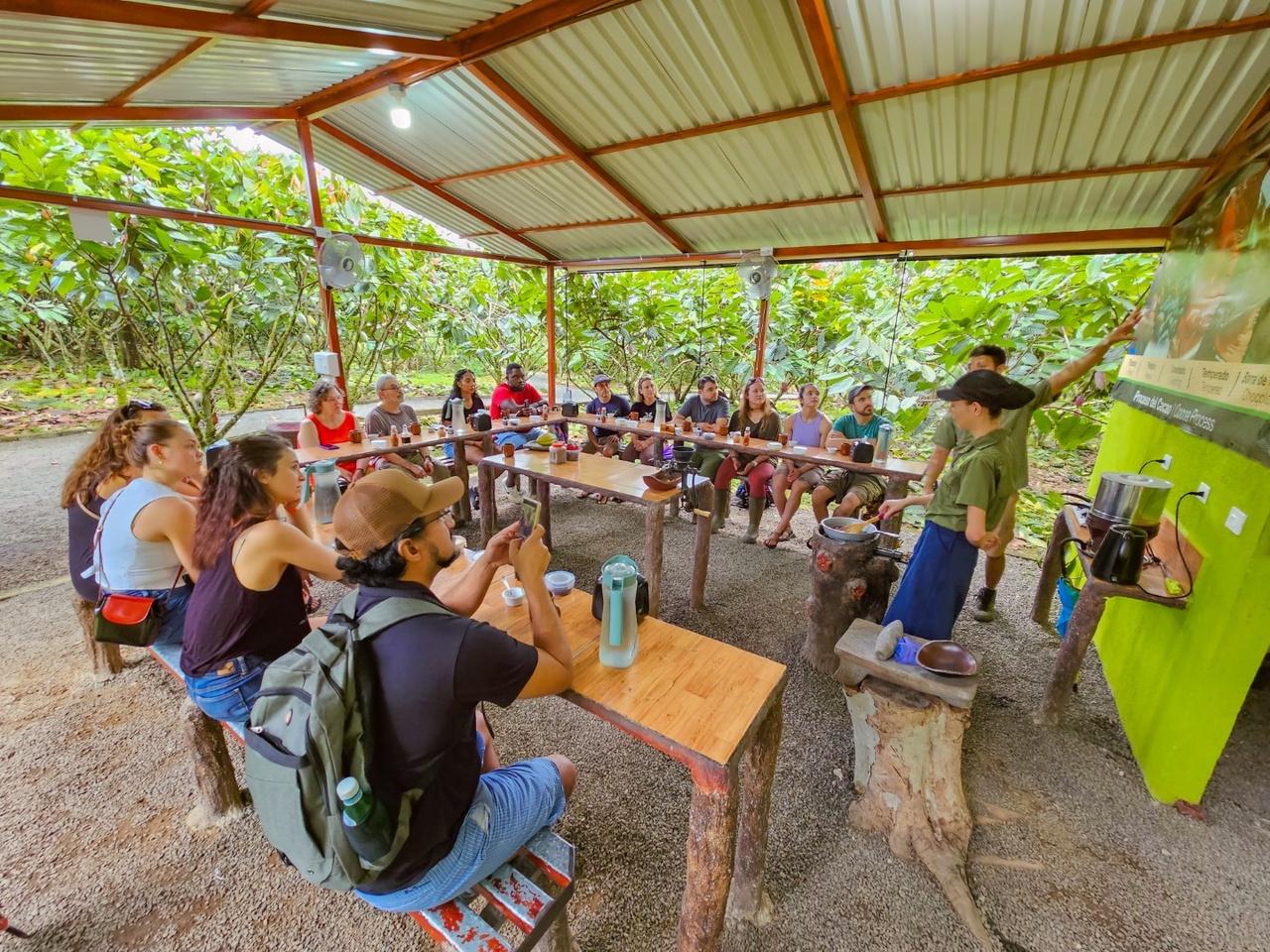
The landmarks, rooms, and views travelers on this tour remember — all visible on a single visit.
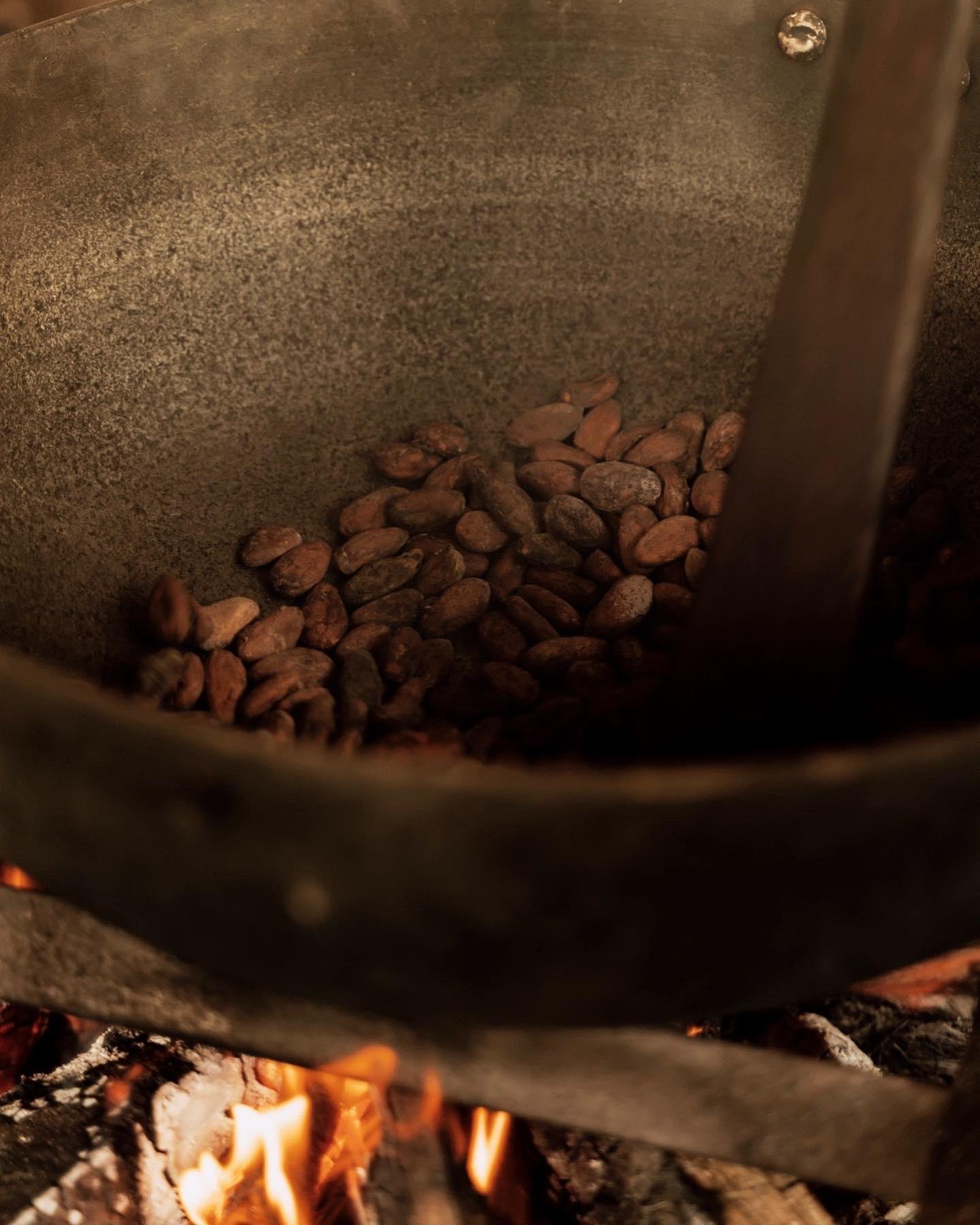
Watch local women demonstrate the traditional, slow-roasting process of cacao seeds using stone tools.
They complement each other; travelers seeking an authentic look at ancestral cacao traditions will prefer the Bribri Indigenous Reserve, while those prioritizing agricultural efficiency and retail variety usually favor commercial plantation visits.
| Feature | Top pick Bribri Reserve | Commercial Farm Tours |
|---|---|---|
Cultural Immersion Level |
Deep ancestral traditions | Mainstream agriculture focus |
Accessibility |
Requires private transport | Easy highway access |
Educational Focus |
Indigenous heritage and rituals | Cacao production and processing |
Product Variety |
Handcrafted ceremonial cacao | Extensive retail chocolate range |
Community Benefit |
Direct support to Talamanca families | Corporate profit model |
| See tickets → |
Verdict: Opt for the bribri chocolate tour costa rica tours if you value cultural heritage, or choose commercial operations to explore diverse production techniques and convenience-based bribri chocolate tour costa rica tickets alternatives.
Choose your ticket, select your date, and reserve in under two minutes. Secure checkout handled by our verified partner.
Instant confirmation by email, with a mobile voucher you can save offline. No printing, no queuing at a collection desk.
Arrive at the entrance, show your voucher on your phone, and walk in. Most tickets include priority or skip-the-line access.
Practical details for your visit straight from our verified partners — hours, access, rules, and how to get there.
Wear light, breathable clothing suitable for the humid rainforest environment. Sturdy, comfortable walking shoes are recommended for trails, and consider wearing your swimsuit under your clothes for waterfall visits.
Keep your personal items in a small, lightweight daypack. There are no secure locker facilities on-site, so carry only necessary belongings for the duration of the bribri chocolate tour costa rica.
Photography is generally encouraged during the cultural demonstrations and at the waterfall. Always ask your indigenous host for permission before taking photos of individuals or private homes within the reserve.
Many parts of the reserve involve uneven terrain, unpaved trails, and natural paths. The bribri chocolate tour costa rica is not typically wheelchair accessible due to these rugged forest conditions.
This educational experience is well-suited for families of all ages. Children will enjoy the hands-on chocolate preparation and the opportunity to swim in natural waterfall pools.
Many guided versions of the bribri chocolate tour costa rica include an authentic, home-cooked organic lunch prepared by local families. Carry a refillable water bottle to stay hydrated throughout the day.
Best time to go, insider tips, nearby landmarks, and the cancellation fine print — flip through to skim what matters to you.
Flexible, no hidden fees.
Full refunds are typically available for cancellations made at least 24 hours in advance. No refund is provided for cancellations made within 24 hours of the tour.
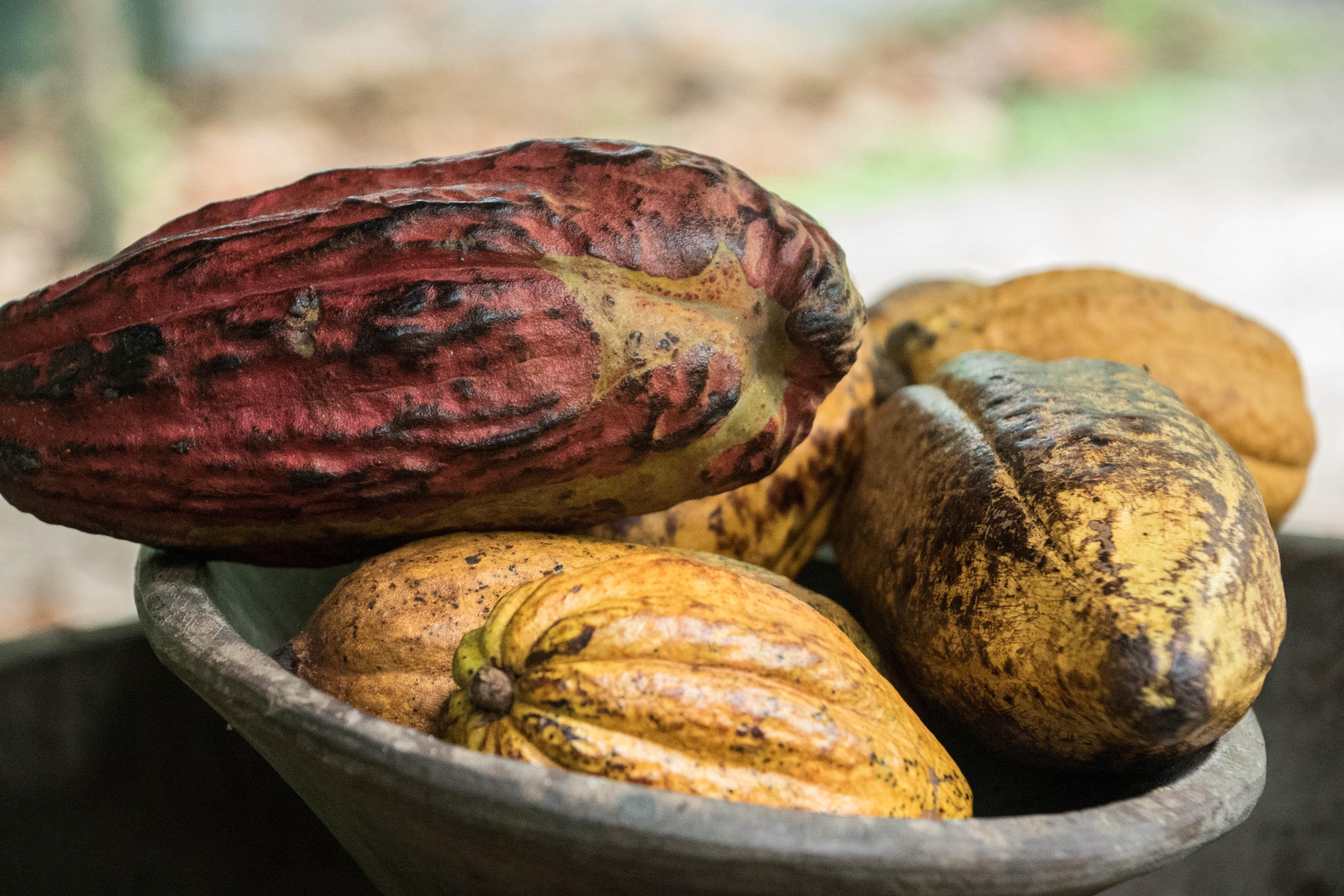
The Bribri people have cultivated cacao in the Talamanca mountains for more than four thousand years, long before Mesoamerican civilizations formalized the bean as currency. Their word for the tree, *siʔkʼakʼawa*, translates loosely to "gift of the gods," and the crop remains central to kinship rituals, land stewardship, and economic survival in a reserve that spans 11,700 hectares across Limón Province. Unlike commercial plantations that favor monoculture and heavy pruning, Bribri growers maintain forest gardens where cacao grows beneath a canopy of inga, breadnut, and balsa, a practice ecologists now recognize as one of the most biodiverse agroforestry models in Central America. Today, a bribri chocolate tour costa rica offers one of the few immersive pathways into this living tradition. Visitors enter the reserve by boat or four-wheel drive, crossing the Sixaola River into territory governed by indigenous councils rather than national park administration. Tours are led by Bribri families who speak both Spanish and their Chibchan mother tongue, and who retain full authority over which sections of their land open to guests. The experience centers on the *rancho*, an open-sided thatch structure where women demonstrate the entire transformation: pod splitting, fermentation in banana leaves, sun drying on raised platforms, and finally the grinding of roasted beans on a volcanic stone metate. No refined sugar is added; the paste is sweetened with raw cane or left unsweetened, revealing cacao's natural bitterness and floral notes that commercial bars mask. Beyond the culinary process, the reserve protects one of Costa Rica's last intact lowland rainforests. Jaguar, tapir, and three-toed sloth move through the same corridors Bribri harvesters use to reach their groves. Many tours pair chocolate making with a walk to hidden waterfalls, medicinal plant identification, or visits to family compounds where traditional stilt houses stand alongside solar panels and cell towers. The Bribri have resisted full assimilation, maintaining matrilineal inheritance and rejecting large-scale tourism development, which means access remains limited and visitor numbers capped. This insularity preserves both ecological integrity and cultural authenticity, though it also means the experience cannot be replicated elsewhere in Costa Rica. A handful of certified operators in Puerto Viejo coordinate these indigenous cacao experiences, each working under agreements that return the majority of revenue directly to the families and councils. The reserve is accessible year-round, though the dry months from February to April offer easier river crossings and drier trails. Morning departures allow time for the full cacao process and a forest walk before midday heat sets in. There is no formal entrance fee to the reserve itself; costs are bundled into tour packages that include transportation, guide fees, and the family-led workshop. For travelers seeking substance over spectacle, the bribri chocolate tour costa rica remains one of the most grounded cultural encounters in the Caribbean lowlands.

"The Bribri have cultivated cacao in the Talamanca mountains for more than four thousand years, long before Mesoamerican civilizations formalized the bean as currency."
A step-by-step walkthrough of the visit — what you'll see, how long each stage takes, and the details that matter.
You leave Puerto Viejo before eight, crossing the Sixaola River by narrow boat or pickup depending on the season. The road dissolves into mud track, and you enter the reserve on foot, passing breadfruit trees and wild ginger before reaching the family rancho. Your guide splits a cacao pod with a machete, and you pull the white pulp free, tasting the sweet mucilage that coats each bean. The fermentation beds are nearby, banana leaves folded over days-old seeds that smell faintly of vinegar and earth. You move to the drying racks, where beans are turned by hand under the sun, then roasted over a wood fire until the husks crack. Your guide hands you a metate, and you grind the roasted nibs into a thick, oily paste. No sugar is added unless you ask; the unsweetened version tastes bitter and floral, nothing like the bars sold in supermarkets. You drink the finished cacao from a gourd, warm and slightly gritty, while your guide explains the matrilineal inheritance system that governs land and knowledge here. After the workshop, you hike a narrow trail to a waterfall, the path edged with heliconia and wild cacao seedlings. The pool is cold and shallow, fed by runoff from the upper slopes. You return to the rancho for a simple lunch—rice, beans, plantain—before the afternoon heat settles in. The tour ends by mid-afternoon, leaving time to return to Puerto Viejo before the reserve closes to visitors.
The Bribri Indigenous Reserve is open daily from 08:00–17:00.
Most trails at the Bribri Indigenous Reserve are unpaved and rugged, meaning the bribri chocolate tour costa rica is generally not wheelchair accessible.
The best arrival window is 08:00–09:00 to avoid the intense midday heat and experience the reserve at its most peaceful.
The entrance fee is 0 USD, though most visitors book a professional guide who bundles transport and tour services into a single package price.
While you can reach Bribri town on your own, booking a guided bribri chocolate tour costa rica ensures you have an indigenous host to explain traditions, language, and medicinal plants.
Yes, you may photograph the scenery and cultural demonstrations, but always request permission from your Bribri hosts before filming family members.
Wear breathable, light clothing and comfortable walking shoes. Since many tours include a visit to a waterfall, wearing your swimsuit underneath is highly recommended.
Yes, the bribri chocolate tour costa rica is a popular family activity. Children are welcome to participate in the hands-on chocolate making process.
Many guided packages include a traditional lunch, but you should clarify this with your operator. Carrying extra water and small snacks is always a good idea.
Most operators offer a full refund if you cancel your bribri chocolate tour costa rica booking at least 24 hours in advance.